
 Pottery Date Night
 Bring All Your Friends Free Week
 Give a Month of Pottery
 Private Pottery Parties


 The Welcome Booklet
 Your First Ten Sessions
 Finding the Studio
 Your Classes Never Expire
 The Four Tables
 Who’s Who
 The Rewards Program

 Flux Glazes
 The Calculators
 Kiln Tracker
 Holiday Kiln Deadlines


 Raku Workshop
 Nighttime Raku
 Horsehair and Feather Raku

 The Clay Hole T-Shirt
 Embroidered Crewneck
 Zip-Up Hoodie
 Pre-Made Bisqueware
 Glaze Catchers
 Kiln Cookies
 Clay Cubby Rental

 The Glaze Bible, Printed
 The Book of Molds, Printed
 Printable Pottery Guides
 Free Printable Trackers

 Gifts for Potters
 Christmas Pottery Ideas
 Mother’s Day Gift Ideas
 Pottery Date Night

 Studio Calendar
 2027 Studio Events
 What Should I Do Today?

 How to Throw on the Pottery Wheel
 How to Make a Pinch Pot
 How to Tap Center a Pot
 The Five Stages of Clay

 Is Pottery Hard to Learn?
 Pottery Wheel Practice Drills
 20 Easy Hand-Building Projects
 Everything That Sounds Wrong


 A Beautiful Piece, Every Time
 Slab Roller Tips
 Any Dish as a Slump Mold
 Slab Roller & Slab Mold Certification

 All Beginner Bundle
 All Intermediate Bundle

 The Pottery Skill Tree
 Clay & Pottery Calculators
 Logging Your Pottery and Glazes


 How Do We Compare?
 Pottery Classes by City
 Every Pottery Studio in Utah
 Pottery in Draper

 Featured Members
 The Signature Wall
 Making Friends as an Adult Is Brutal
 The Clay Hole Commandments

 2027 Pottery Contests
 2027 Studio Parties
 Gallery Night


 Scream It Into the Void
 Destroy the Glaze Wall
 Daily Affirmation Cards
 Everything That Can Go Wrong

 Subscribe to Our Newsletters
 Contact The Clay Hole

 Corporate Team Building


 Glaze Combinations
 Glazes We Do Not Carry
 Making Glaze Test Tiles

 The Mega Glaze Tool
 How to Use the Mega Glaze Tool


 Glaze Brushing Techniques
 How to Use Underglaze
 How to Use Dipping Glazes

 The Dipping Glaze Guide


 Making a Glaze Catcher
 Fused or Sharp After Firing

 The Signature Wall
 My Viral Videos
 My Own Ceramics
 Meet Mud
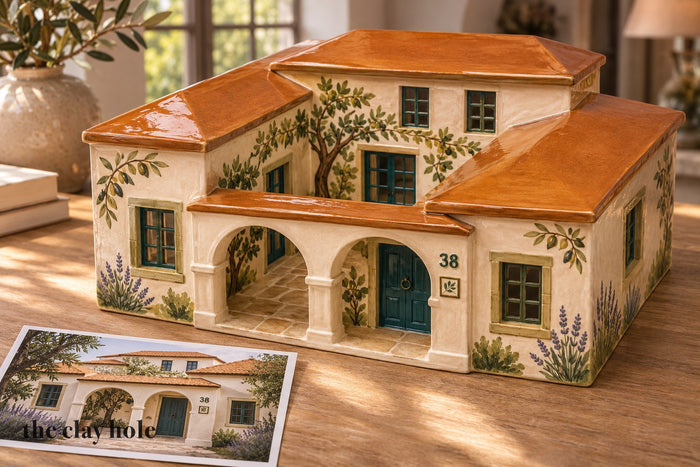
Your Home, in Clay
Several joined volumes, crossing rooflines, porch, steps and chimney, with a lift-off roof.
Expert, $52010 to 15 in
 The Clay Hole home page
Your hands in clay, every single week.
Weekly classes with four instructors on the floor, whether it is your first pot or your five hundredth. A shelf with your name on it, and classes that never expire.
Start my membershipPick your Level on the next page. Month to month, no contract.
4.9 on Google from 145+ reviews
This month’s new member deals 17 of 30 discounted spots left this monthPottery is better with your people.
Share one membership with your partner, split a shelf with a friend and both save 20%, or bring someone along for a single night. All of it month to month.
Every question, already answered.
More than a hundred answers on one page, from what time class starts to how long a finished piece takes. Type a word and the right answer opens on its own.
Walk in on day one already knowing the way.
Three quick things before you come. After that, your first class starts with a tour and your shelf, whether it is your first pot or your five hundredth.
Where your pottery goes between kilns, what happens to the classes you skip, who wears which shirt, and the few rules that keep a busy room working.
Move up a Level, add Unlimited, take a break or change your card. Memberships renew on the 25th, and most changes go in before then.
Eight clays, one for every kind of pot.
Every bag comes from the studio, and every one fires at our cone 5½, so any of them works with any glaze on the wall. 52 Buff, the house starter, is $28 a bag at Green Level and less at every Level above it.
Bisque is free. Glaze firing goes by size.
Glaze firings are 5 cents a cubic inch, measured at the widest points, with a $4.80 minimum and a $600 ceiling. Every firing is paid online before the piece goes on the drop-off table.
Bring a friend to your table.
Members bring guests to classes and open studio. Your guest works from your clay, with your tools and glazes, and you teach them for the night. The price follows your guest, not your Level.
Same price at every Level. If they join the same day, that day’s pass comes back to you.
Every two months · free
For one whole week, anyone comes free, to any class or open studio. Bring as many as you like. Your whole Level is theirs for the night, Black Level included. Once per person, every week.
The few things that have to be yours.
Membership covers thousands of tools. A handful of things cannot be shared, like clippers, epoxy and the tools a Green Level Member brings. Pay on your phone, then grab it at the studio. Nothing we sell ships.
 Beginner’s Tool SetThe kit Green Level Members bring
 Fingernail ClippersShort nails make throwing easier
 Mayco Clay MenderFor cracks in dry and bisqued work
 Epoxy for KintsugiFive-minute epoxy for golden repairs
 Applicator BottlesSix bottles and tips for slip lines
 Large Bead RackFor firing glazed beads
Six raku days in 2027, twenty spots each.
Pots come out of the kiln glowing and go straight into a can of shavings that catches on contact. Two daytime, two nighttime and two horsehair and feather workshops, in Alpine. Optional, and open to current and past members.
Grab a drink. Pay on your phone.
The drink fridge and the coffee and cocoa station both run on trust. Pay on the website, then help yourself. Our city water is not great to drink, so most members bring a bottle or grab one here.
Some days you just want to glaze.
Pre-made bisqueware, glaze catchers and kiln cookies are ready when you are. Pay online, take the size you paid for, and ask one of us if you are not sure which one that is.
Take the studio’s know-how home with you.
The Glaze Bible and The Book of Molds, printed, bound and in full color. Plus a printable guide for every lesson in The Clay Hole University, each one a PDF you keep.
Pick an amount and it arrives by email straight after checkout. It never expires, and four of the amounts are exactly one month of membership at each Level.
Right off I-15, open seven days a week.
12896 S Pony Express Rd, Suite 100, Draper, in the Pony Express Center. The next building north of Living Spaces, with a free shared lot out front.
217 pottery lessons, free to study.
The whole craft across 17 areas, in the order a piece is made, from wedging a bag of clay to selling what you made. Every lesson has its own quiz, and none of it asks you to sign up.
Nobody expects you to know anything yet.
Most people need a few weeks on the wheel before it feels like anything at all. That is the normal experience, not the sad one. Here is what to watch, what to learn first, and a plan for your first ten sessions.
Every way a pot goes wrong, and what to do about it.
The Pottery Failure Atlas: 54 failures from the wedging table to years of use, sorted by what you see and when you first saw it. Every one drawn, with its likely causes, the evidence that tells them apart, what can still be rescued and the experiment for the next pot. Free to read here, and printed and bound for the glaze table.
 Why Did My Pottery Do That?45 symptoms, the cause and the fix, in a line or two
 Glaze Problems, Causes and FixesCrawling, pinholes, crazing and the rest, in depth
 How to Rescue Pottery at Any StageWhat each stage still allows, and the odds
 Reglazing and RefiringWhich failures refire, and how it is done
Four certifications. Each one opens part of the studio.
Watch the video, agree to the rules, pass a quick check, and save a card to your phone. Do each one once and you are certified for as long as you are a member. Most people start with the slab rollers and slab molds, and take the rest when they need them.
248 slab molds, searchable by what they make.
A slab laid over one of these comes off as a bowl, a platter or a tray with an even wall and a shape that looks like somebody meant it. First try. Included with your membership once you are certified.
178 patterns. Print, cut, build.
Exact-size paper patterns for slab building, from a 30 minute ring dish to a thirteen-story pagoda. Current members pick five free every month. Everyone else buys them one at a time or in bundles: every Beginner or every Intermediate template, or a small set that belongs together.
Newest: Hexagon Pencil Cup, Large Spheres, Small and Medium Spheres
137 projects, three questions.
The project finder asks how you want to make it, how far along you are, and what you want to be holding at the end. Then it hands you a list, each one with a guide or a slab mold behind it.
Every guide on the site, shelved by what you are trying to do.
Start from the problem in front of you, not the day a guide was written. Search it, or pick a shelf.
 The Pottery Dictionary254 terms in plain English
Why Did My Pottery Do That?45 symptoms, the cause and the fix
 The Pottery Cone ChartEvery cone from 022 to 14
 Pottery Myths, Fact-Checked70 of them, against 117 sources
 Is Handmade Pottery Food Safe?Almost always, and how to check
 The Full Pottery ProcessBag of clay to finished piece
The videos that took off, sorted by mood.
My best and most viral reels on one page: the funny ones, the process ones, the oddly satisfying ones, and the dad jokes. Each one plays right there, with arrows to keep going.
 Incredible Ceramic Artist Videos24 free lessons by 15 makers, none of them ours
 How Dan Throws Giant PotsSection by section, with the numbers
 How to Dry Your PotteryThe video, and why S-cracks happen (opens in a new tab)
 The Pottery Wheel IntroductionMy wheel video for new members (opens in a new tab)
There is a corner of the studio with your name on it.
Sixteen personality types, five love languages and twelve signs, each matched to the way that person tends to work with clay. Lighthearted on purpose, and oddly specific.
 Pottery by Zodiac SignTwelve signs, one patient lump of clay
 Personality and the Pottery WheelYour habits show up in about four minutes
 Pottery for EngineersFor people who think for a living
 ADHD, Hyperfocus, and Never Running OutA letter from me
 Hobbies for BurnoutA room where you are allowed to be bad
 Screen-Free Hobbies for AdultsSomething that asks for all your attention
 Every Addiction I Ever Had Lost to ArtOn my blog
 Functional Pottery Is EngineeringA mug is a set of tolerances
Every studio near you, including the ones that suit you better.
I run one of these studios, and several of the others are wonderful. So here they are side by side: what each one charges, how each one works, and when another studio is the better pick.
The people who fill this place.
Hundreds of class photos taken mid-class, the pieces members bring back from the kiln, and member spotlights written in their own words. A new set loads every time you open the gallery.
Parties, contests and one gallery night.
Three parties, four contests the whole studio votes on, six free weeks for your friends, and one November night when the studio becomes a gallery. Every 2027 date is already set.
Six weeks a year, your friends come in free.
Every other month, for a whole week, members can walk in with anybody, new to clay or not, and it costs them nothing. No guest pass, no RSVP, no list at the front desk. Clay is the one thing they buy, from $28 a bag, or they split yours.
Things we probably should not have built.
A kiln god who takes offerings, a void that listens and keeps nothing, a glaze wall you are allowed to wreck, and a daily card that picks you. Built for the days the kiln wins.
Every message goes straight to me.
A suggestion, a complaint, a compliment, or an idea to make this place better. Not into a queue somebody gets to on Thursday. Put your name on it or stay completely anonymous. Both get read.
Nobody goes home with a bowl. That is the entire point.
Three hours with real clay, real wheels and real instructors, for up to 48 people. Families, friends and teams. Everybody in the room is equally bad at this, and that is the part that works.
We are always looking for our next instructor.
Not because somebody is about to quit. People move, go back to school and take the other job, so we keep a list of people to call when a spot opens. Pink shirts are our main instructors. Purple shirts are our trade instructors.
Every glaze we stock, fired on our own clay.
611 glazes and 105 underglazes, each fired on our own tiles, in our own kilns, at cone 5½. A page for every one: the fired photo, what it does over another glaze, which clays suit it, and what went wrong if yours came out different.
Type a name. An arrow points to the slot.
Every bottle on the real glaze wall, down to its shelf, row and slot. Search by name, brand or family, or press Surprise Me and let it pick for you.
Every bottle wears a colored sticker.
Your Level opens your color and every color below it, never one above. Some glazes cost several times what others do, and the Level is how that gets paid for. That is the entire pricing model.
Glaze is glass, made on purpose, stuck to a pot.
Everything confusing about glaze comes from that one fact. Start there, then learn to brush it, dip it and layer it, and to read what went wrong when the kiln opens.
Two certifications, then the wall and the buckets are yours.
Brush-on comes first, because it is required before your first glaze. Dipping comes when you want a smooth, even coat over a big batch. Each one is a video, the rules, a quick check and a card on your phone, and each lasts as long as your membership.
Four fluxes, 32 stains, and two fees worth knowing.
The flux glazes are the four built to run, and you buy your own pint. Mason stains sell by the 25 grams. A few premium glazes carry a sticker fee, and any dipping bucket your Level does not include goes by the piece.
Bisque at cone 05. Glaze at cone 5½.
Our glaze kilns run cone 5 with a twelve minute hold, which is the same heat work as half a cone past cone 5. Every tile in the Glaze Bible was fired that way, so the tile is what comes out.
I’m Dan Pearce, and I built this place for the people in it.
Writer, potter and artist, with millions of people following along online. I ran a first little studio out of a garage for almost four years, then built The Clay Hole from the ground up in Draper.
Loading the latest from the studio…
Taking longer than it should. See every announcement →
Your hands in clay, every single week.
Weekly classes with four instructors on the floor, whether it is your first pot or your five hundredth. A shelf with your name on it, and classes that never expire.
Start my membershipPick your Level on the next page. Month to month, no contract.
4.9 on Google from 145+ reviews
This month’s new member deals 17 of 30 discounted spots left this monthPottery is better with your people.
Share one membership with your partner, split a shelf with a friend and both save 20%, or bring someone along for a single night. All of it month to month.
Every question, already answered.
More than a hundred answers on one page, from what time class starts to how long a finished piece takes. Type a word and the right answer opens on its own.
Walk in on day one already knowing the way.
Three quick things before you come. After that, your first class starts with a tour and your shelf, whether it is your first pot or your five hundredth.
Where your pottery goes between kilns, what happens to the classes you skip, who wears which shirt, and the few rules that keep a busy room working.
Move up a Level, add Unlimited, take a break or change your card. Memberships renew on the 25th, and most changes go in before then.
Eight clays, one for every kind of pot.
Every bag comes from the studio, and every one fires at our cone 5½, so any of them works with any glaze on the wall. 52 Buff, the house starter, is $28 a bag at Green Level and less at every Level above it.
Bisque is free. Glaze firing goes by size.
Glaze firings are 5 cents a cubic inch, measured at the widest points, with a $4.80 minimum and a $600 ceiling. Every firing is paid online before the piece goes on the drop-off table.
Bring a friend to your table.
Members bring guests to classes and open studio. Your guest works from your clay, with your tools and glazes, and you teach them for the night. The price follows your guest, not your Level.
Same price at every Level. If they join the same day, that day’s pass comes back to you.
Every two months · free
For one whole week, anyone comes free, to any class or open studio. Bring as many as you like. Your whole Level is theirs for the night, Black Level included. Once per person, every week.
The few things that have to be yours.
Membership covers thousands of tools. A handful of things cannot be shared, like clippers, epoxy and the tools a Green Level Member brings. Pay on your phone, then grab it at the studio. Nothing we sell ships.
Beginner’s Tool SetThe kit Green Level Members bring
Fingernail ClippersShort nails make throwing easier
Mayco Clay MenderFor cracks in dry and bisqued work
Epoxy for KintsugiFive-minute epoxy for golden repairs
Applicator BottlesSix bottles and tips for slip lines
Large Bead RackFor firing glazed beads
Six raku days in 2027, twenty spots each.
Pots come out of the kiln glowing and go straight into a can of shavings that catches on contact. Two daytime, two nighttime and two horsehair and feather workshops, in Alpine. Optional, and open to current and past members.
Grab a drink. Pay on your phone.
The drink fridge and the coffee and cocoa station both run on trust. Pay on the website, then help yourself. Our city water is not great to drink, so most members bring a bottle or grab one here.
Some days you just want to glaze.
Pre-made bisqueware, glaze catchers and kiln cookies are ready when you are. Pay online, take the size you paid for, and ask one of us if you are not sure which one that is.
Take the studio’s know-how home with you.
The Glaze Bible and The Book of Molds, printed, bound and in full color. Plus a printable guide for every lesson in The Clay Hole University, each one a PDF you keep.
Pick an amount and it arrives by email straight after checkout. It never expires, and four of the amounts are exactly one month of membership at each Level.
Right off I-15, open seven days a week.
12896 S Pony Express Rd, Suite 100, Draper, in the Pony Express Center. The next building north of Living Spaces, with a free shared lot out front.
217 pottery lessons, free to study.
The whole craft across 17 areas, in the order a piece is made, from wedging a bag of clay to selling what you made. Every lesson has its own quiz, and none of it asks you to sign up.
Nobody expects you to know anything yet.
Most people need a few weeks on the wheel before it feels like anything at all. That is the normal experience, not the sad one. Here is what to watch, what to learn first, and a plan for your first ten sessions.
Every way a pot goes wrong, and what to do about it.
The Pottery Failure Atlas: 54 failures from the wedging table to years of use, sorted by what you see and when you first saw it. Every one drawn, with its likely causes, the evidence that tells them apart, what can still be rescued and the experiment for the next pot. Free to read here, and printed and bound for the glaze table.
Why Did My Pottery Do That?45 symptoms, the cause and the fix, in a line or two
Glaze Problems, Causes and FixesCrawling, pinholes, crazing and the rest, in depth
How to Rescue Pottery at Any StageWhat each stage still allows, and the odds
Reglazing and RefiringWhich failures refire, and how it is done
Four certifications. Each one opens part of the studio.
Watch the video, agree to the rules, pass a quick check, and save a card to your phone. Do each one once and you are certified for as long as you are a member. Most people start with the slab rollers and slab molds, and take the rest when they need them.
248 slab molds, searchable by what they make.
A slab laid over one of these comes off as a bowl, a platter or a tray with an even wall and a shape that looks like somebody meant it. First try. Included with your membership once you are certified.
178 patterns. Print, cut, build.
Exact-size paper patterns for slab building, from a 30 minute ring dish to a thirteen-story pagoda. Current members pick five free every month. Everyone else buys them one at a time or in bundles: every Beginner or every Intermediate template, or a small set that belongs together.
Newest: Hexagon Pencil Cup, Large Spheres, Small and Medium Spheres
137 projects, three questions.
The project finder asks how you want to make it, how far along you are, and what you want to be holding at the end. Then it hands you a list, each one with a guide or a slab mold behind it.
Every guide on the site, shelved by what you are trying to do.
Start from the problem in front of you, not the day a guide was written. Search it, or pick a shelf.
The Pottery Dictionary254 terms in plain English
Why Did My Pottery Do That?45 symptoms, the cause and the fix
The Pottery Cone ChartEvery cone from 022 to 14
Pottery Myths, Fact-Checked70 of them, against 117 sources
Is Handmade Pottery Food Safe?Almost always, and how to check
The Full Pottery ProcessBag of clay to finished piece
The videos that took off, sorted by mood.
My best and most viral reels on one page: the funny ones, the process ones, the oddly satisfying ones, and the dad jokes. Each one plays right there, with arrows to keep going.
Incredible Ceramic Artist Videos24 free lessons by 15 makers, none of them ours
How Dan Throws Giant PotsSection by section, with the numbers
How to Dry Your PotteryThe video, and why S-cracks happen (opens in a new tab)
The Pottery Wheel IntroductionMy wheel video for new members (opens in a new tab)
There is a corner of the studio with your name on it.
Sixteen personality types, five love languages and twelve signs, each matched to the way that person tends to work with clay. Lighthearted on purpose, and oddly specific.
Pottery by Zodiac SignTwelve signs, one patient lump of clay
Personality and the Pottery WheelYour habits show up in about four minutes
Pottery for EngineersFor people who think for a living
ADHD, Hyperfocus, and Never Running OutA letter from me
Hobbies for BurnoutA room where you are allowed to be bad
Screen-Free Hobbies for AdultsSomething that asks for all your attention
Every Addiction I Ever Had Lost to ArtOn my blog
Functional Pottery Is EngineeringA mug is a set of tolerances
Every studio near you, including the ones that suit you better.
I run one of these studios, and several of the others are wonderful. So here they are side by side: what each one charges, how each one works, and when another studio is the better pick.
The people who fill this place.
Hundreds of class photos taken mid-class, the pieces members bring back from the kiln, and member spotlights written in their own words. A new set loads every time you open the gallery.
Parties, contests and one gallery night.
Three parties, four contests the whole studio votes on, six free weeks for your friends, and one November night when the studio becomes a gallery. Every 2027 date is already set.
Six weeks a year, your friends come in free.
Every other month, for a whole week, members can walk in with anybody, new to clay or not, and it costs them nothing. No guest pass, no RSVP, no list at the front desk. Clay is the one thing they buy, from $28 a bag, or they split yours.
Things we probably should not have built.
A kiln god who takes offerings, a void that listens and keeps nothing, a glaze wall you are allowed to wreck, and a daily card that picks you. Built for the days the kiln wins.
Every message goes straight to me.
A suggestion, a complaint, a compliment, or an idea to make this place better. Not into a queue somebody gets to on Thursday. Put your name on it or stay completely anonymous. Both get read.
Nobody goes home with a bowl. That is the entire point.
Three hours with real clay, real wheels and real instructors, for up to 48 people. Families, friends and teams. Everybody in the room is equally bad at this, and that is the part that works.
We are always looking for our next instructor.
Not because somebody is about to quit. People move, go back to school and take the other job, so we keep a list of people to call when a spot opens. Pink shirts are our main instructors. Purple shirts are our trade instructors.
Every glaze we stock, fired on our own clay.
611 glazes and 105 underglazes, each fired on our own tiles, in our own kilns, at cone 5½. A page for every one: the fired photo, what it does over another glaze, which clays suit it, and what went wrong if yours came out different.
Type a name. An arrow points to the slot.
Every bottle on the real glaze wall, down to its shelf, row and slot. Search by name, brand or family, or press Surprise Me and let it pick for you.
Every bottle wears a colored sticker.
Your Level opens your color and every color below it, never one above. Some glazes cost several times what others do, and the Level is how that gets paid for. That is the entire pricing model.
Glaze is glass, made on purpose, stuck to a pot.
Everything confusing about glaze comes from that one fact. Start there, then learn to brush it, dip it and layer it, and to read what went wrong when the kiln opens.
Two certifications, then the wall and the buckets are yours.
Brush-on comes first, because it is required before your first glaze. Dipping comes when you want a smooth, even coat over a big batch. Each one is a video, the rules, a quick check and a card on your phone, and each lasts as long as your membership.
Four fluxes, 32 stains, and two fees worth knowing.
The flux glazes are the four built to run, and you buy your own pint. Mason stains sell by the 25 grams. A few premium glazes carry a sticker fee, and any dipping bucket your Level does not include goes by the piece.
Bisque at cone 05. Glaze at cone 5½.
Our glaze kilns run cone 5 with a twelve minute hold, which is the same heat work as half a cone past cone 5. Every tile in the Glaze Bible was fired that way, so the tile is what comes out.
I’m Dan Pearce, and I built this place for the people in it.
Writer, potter and artist, with millions of people following along online. I ran a first little studio out of a garage for almost four years, then built The Clay Hole from the ground up in Draper.
Loading the latest from the studio…
Taking longer than it should. See every announcement →
Follow along
Several sittings and detail built in clay. The biggest pieces print in two taped parts, and the template carries a full guide to keeping clay workable over days, drying and firing. This is the level for people who like a project that lives on the table for a while.
Expert prices run from $360 to $725, depending on the template.

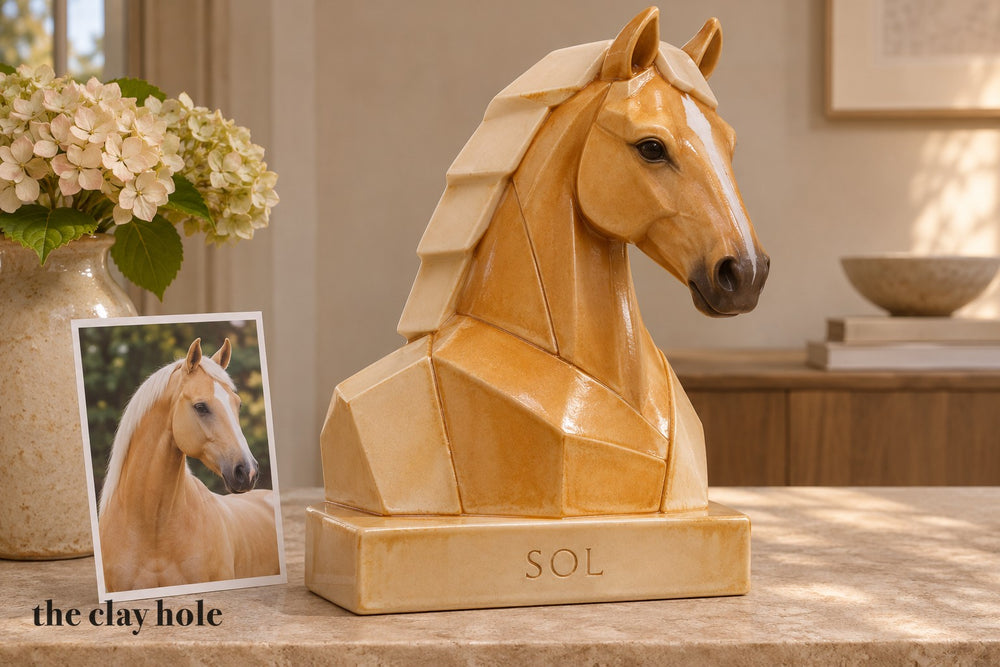
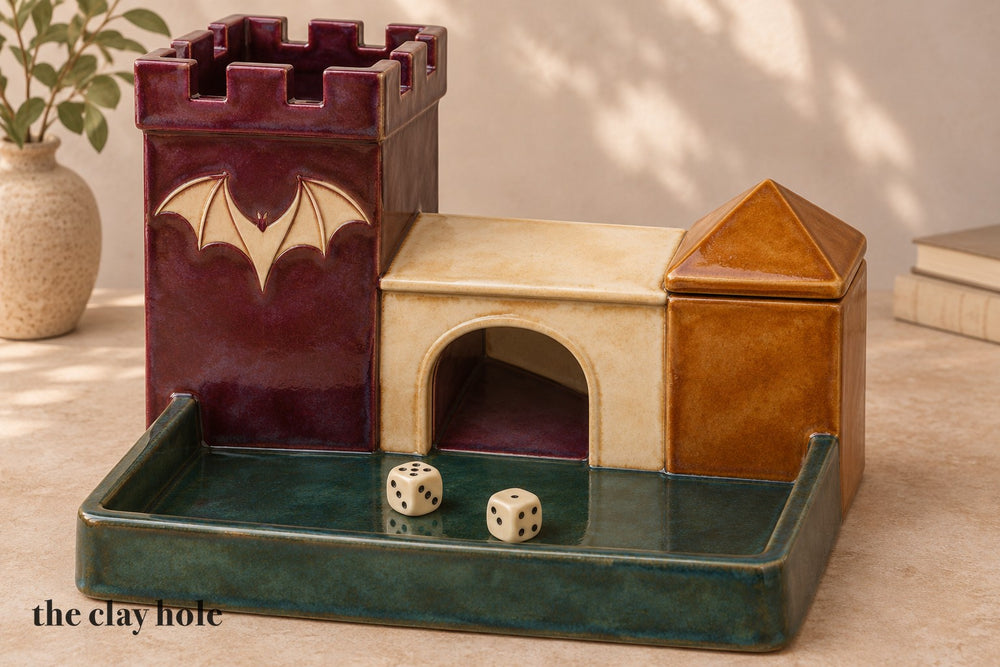
Look through a complete sample before you decide.
Every one of these is a sample concept at Expert, with that level's price and scope. They're possibilities, not a menu. Yours starts with your idea.
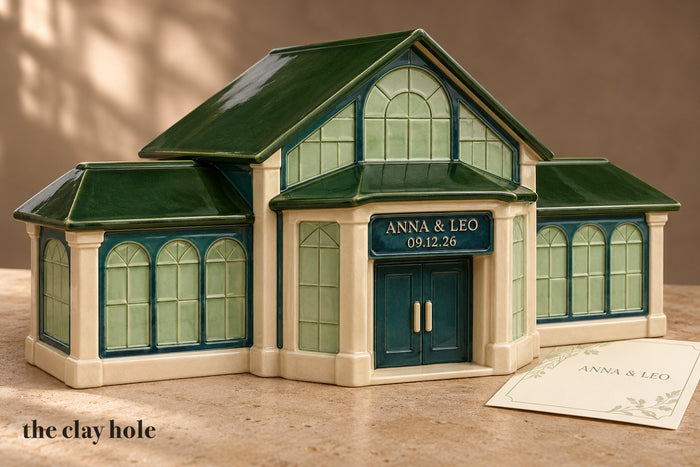
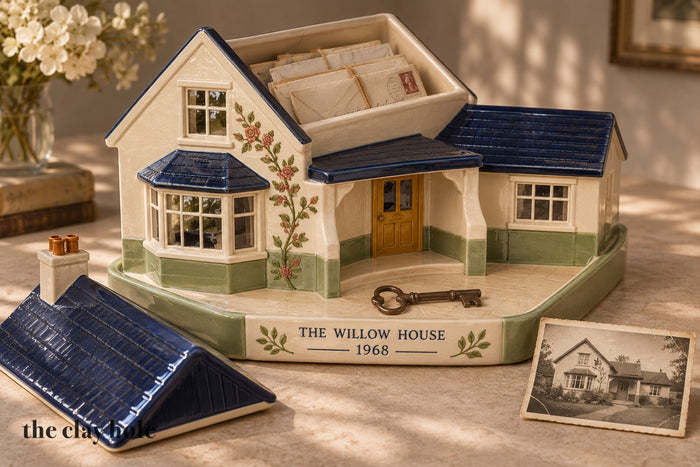
Several joined volumes, crossing rooflines, porch, steps and chimney, with a lift-off roof.
Expert, $52010 to 15 in
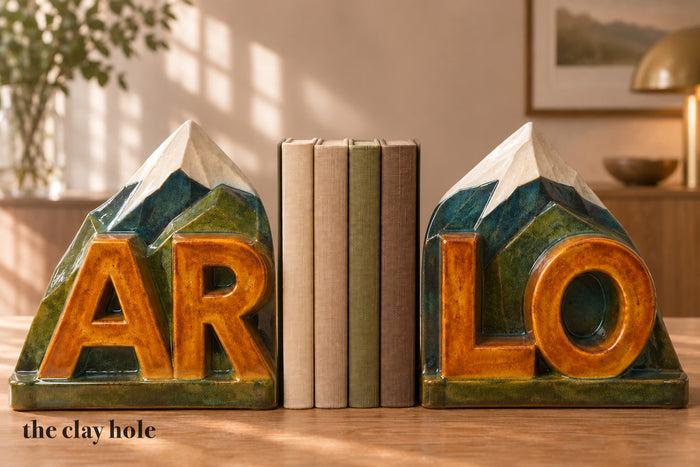
Letters lock into architecture built behind them: stepped towers, mountains or arcades.
Expert, $5202 bookends, each 8 to 10 in

A faceted pet-shaped urn on its own plinth, with a niche for a collar or photo.
Expert, $5208 to 11 in
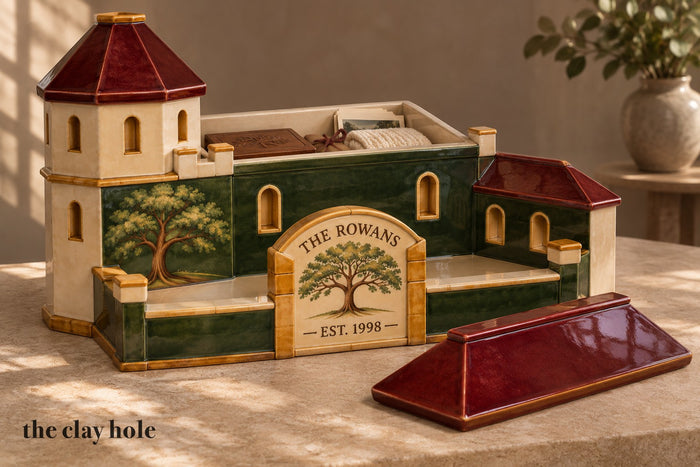
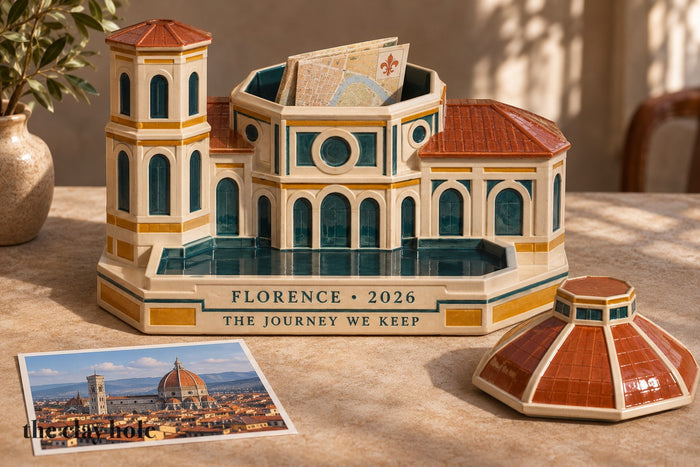
Several volumes with a bell tower, courtyard base and recessed doors and windows.
Expert, $52010 to 15 in
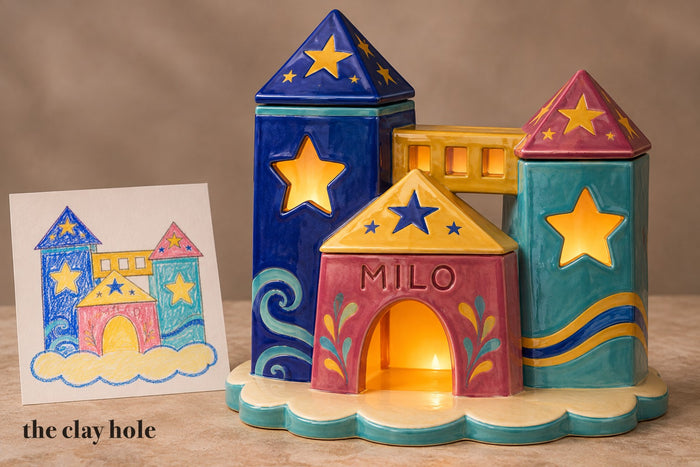
A bigger, bolder 3D version with lift-off parts or more than one piece.
Expert, $5208 to 13 in
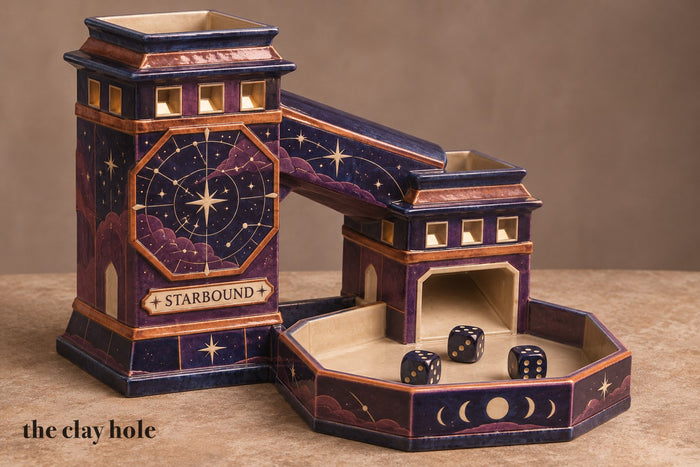
A keep with tower, gatehouse and a storage turret with a lift-off lid.
Expert, $6001 tower, tray and storage turret, 10 to 12 in
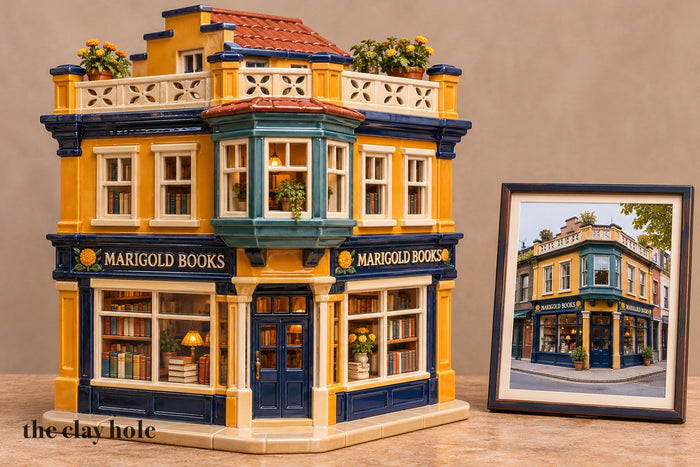
Two stories with an arcade, bays, cornices and a roof terrace.
Expert, $5209 to 13 in
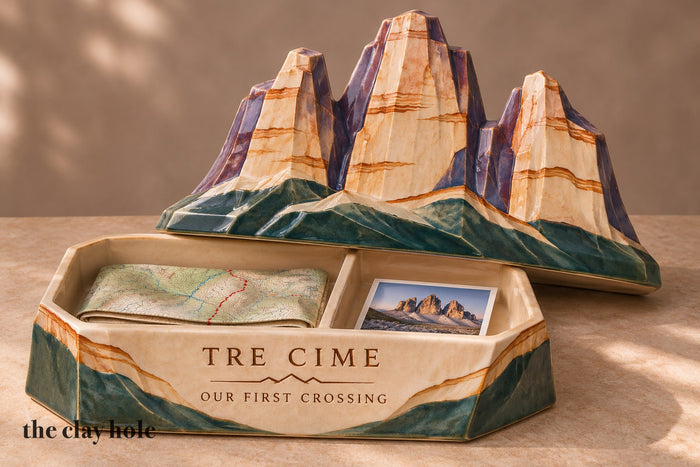
A mountain lid over a keepsake chest with a drawer or divider for a trail map.
Expert, $44010 to 13 in
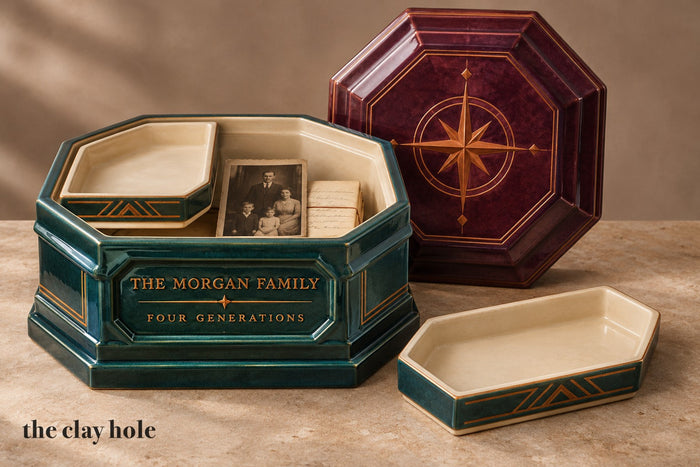
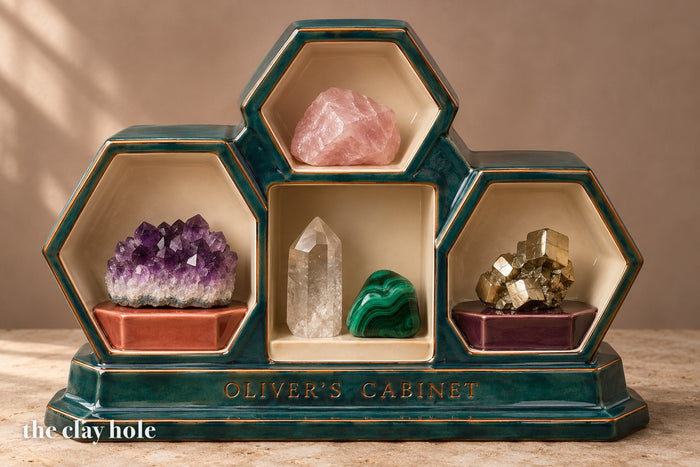
A cabinet with niches, risers and lift-out display pieces made for specific items.
Expert, $6001 display with lift-out risers, 10 to 14 in, up to 12 items
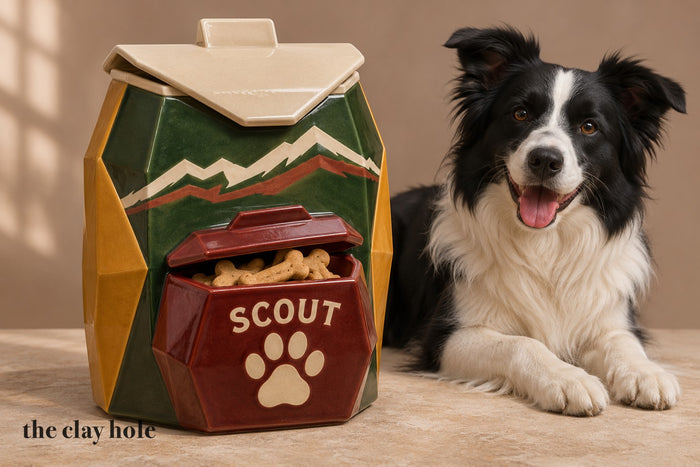
A jar built around your pet's personality: shaped lid, side features, inner gallery.
Expert, $4408 to 11 in
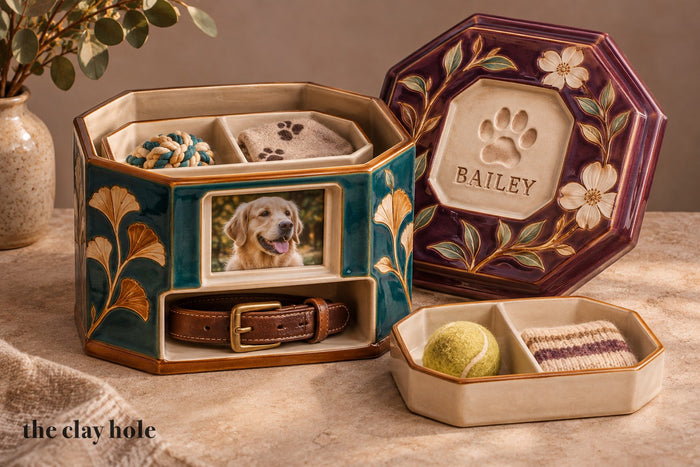
A chest with a photo niche, collar compartment and lid.
Expert, $3608 to 11 in
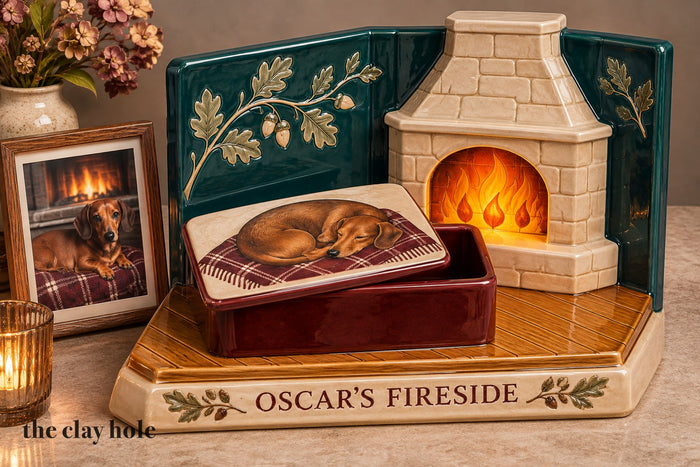
The whole spot, fireplace, porch or window, built in 3D with a glow opening for an LED.
Expert, $4409 to 12 in
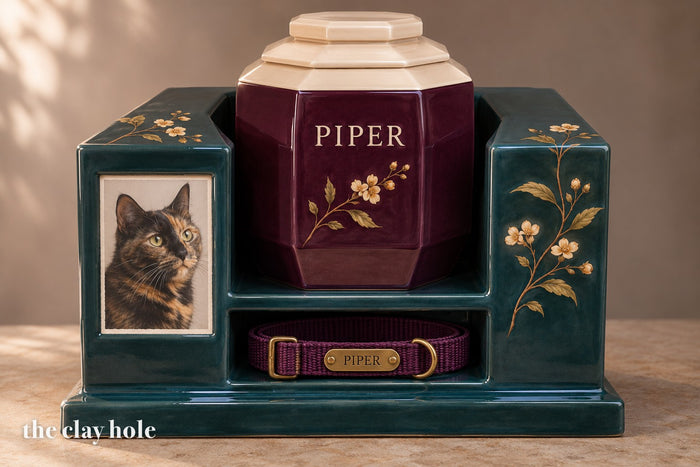
An urn inside a surround with a collar niche and a portrait panel.
Expert, $4409 to 11 in
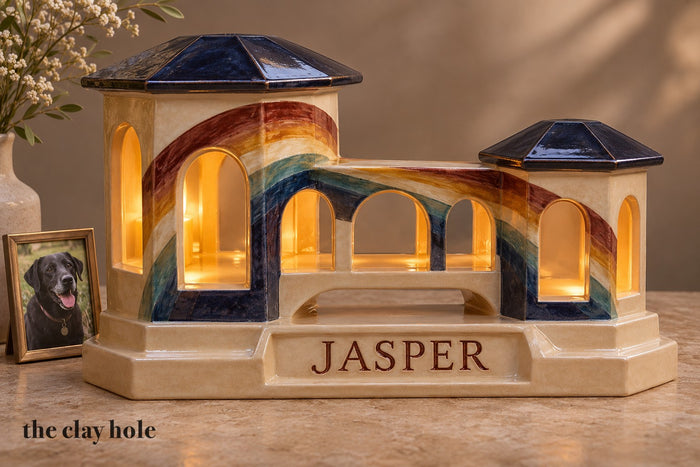
Two pavilions joined by a bridge, lit inside, on a stepped base.
Expert, $44010 to 12 in

A mountain vessel nested in a valley plinth with a photo niche.
Expert, $44010 to 12 in

An urn framed by a tree-shaped surround on a plinth.
Expert, $5201 urn and surround, 10 to 12 in, up to 12 names

Two pet-shaped urns in a stepped plinth with their own sockets and name niches.
Expert, $6002 urns and plinth, 10 to 12 in
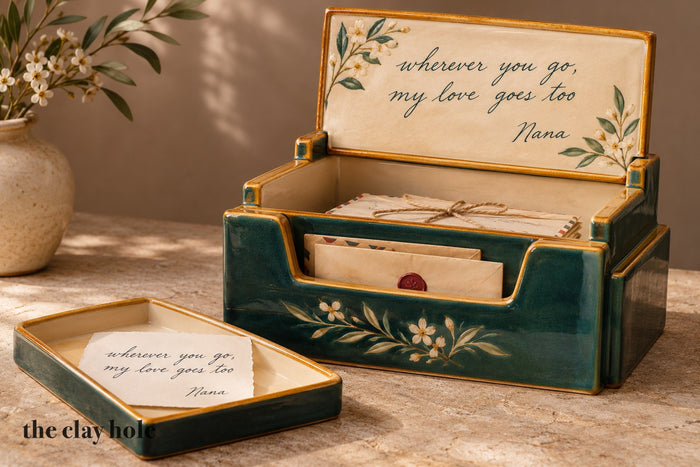
A writing-desk keepsake: display panel, letter pocket and storage.
Expert, $3608 to 11 in
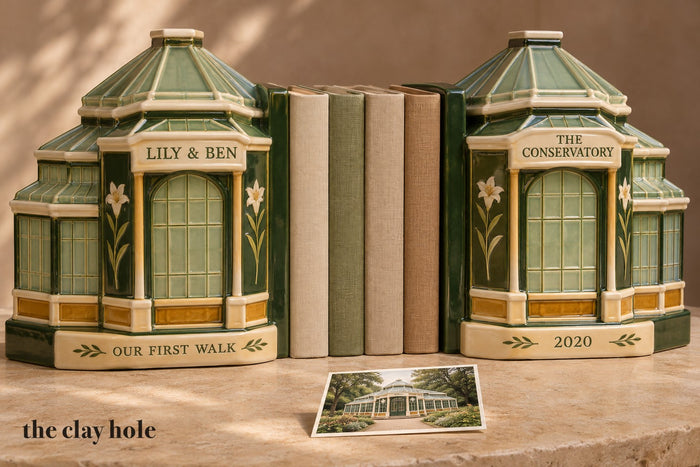
Two detailed buildings with recessed windows and glaze-colored panes.
Expert, $5202 bookends, each 8 to 10 in
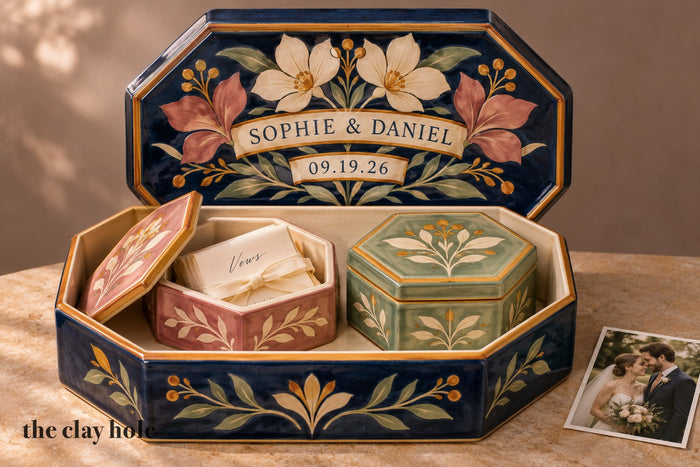
Nested boxes with a stepped display lid that stands behind.
Expert, $3609 to 12 in
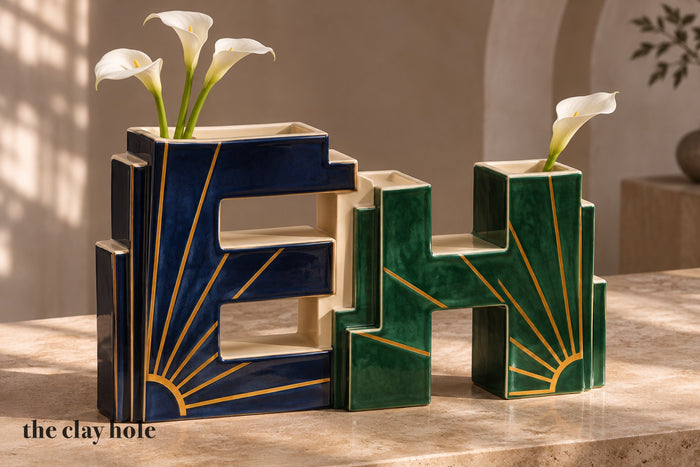
Two Art Deco letters with terraces and staggered reservoirs.
Expert, $6002 vases, 9 to 12 in
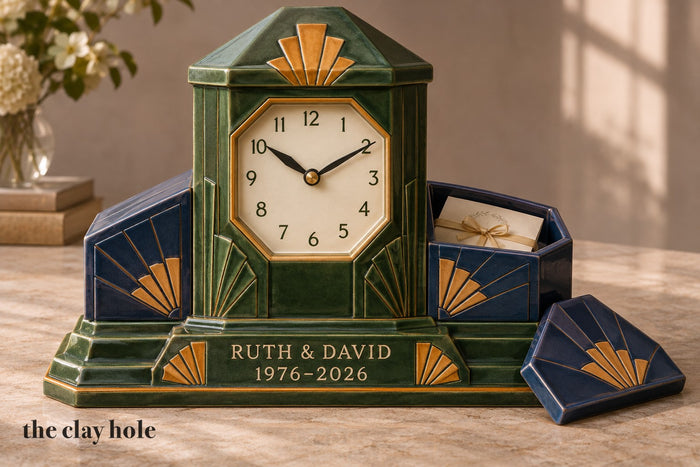
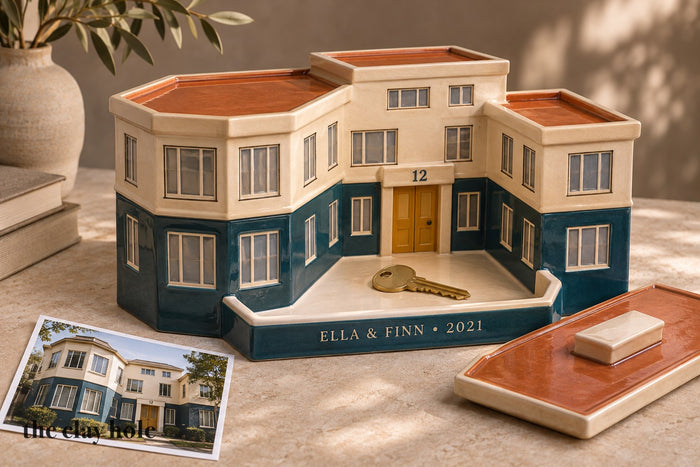
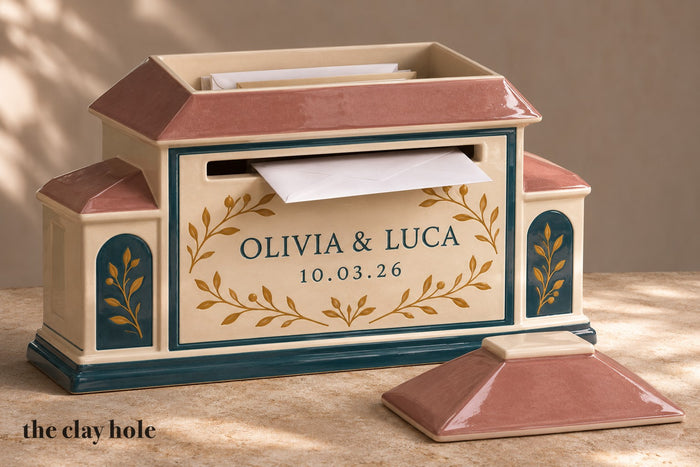
A pavilion with side volumes, a stepped plinth and fitted roof cap.
Expert, $44010 to 13 in
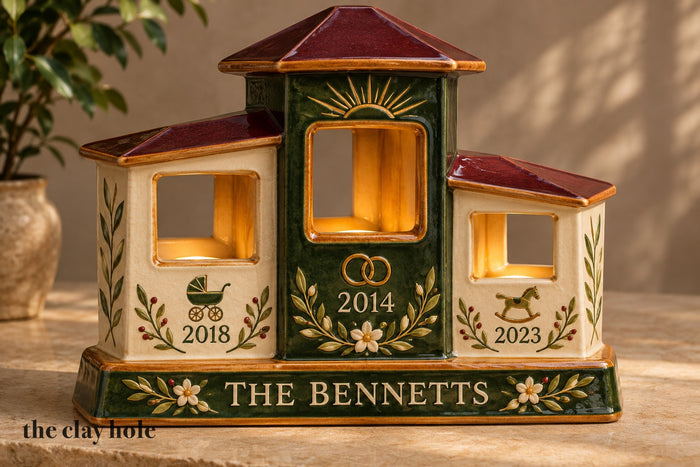
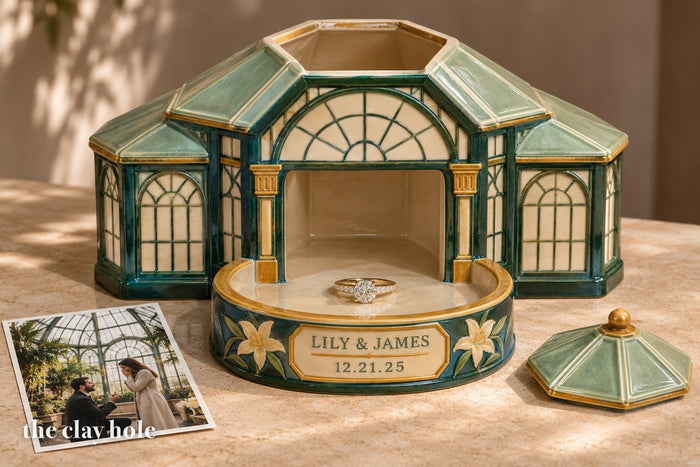
A detailed setting, a conservatory or rooftop, with recessed panes.
Expert, $6009 to 12 in
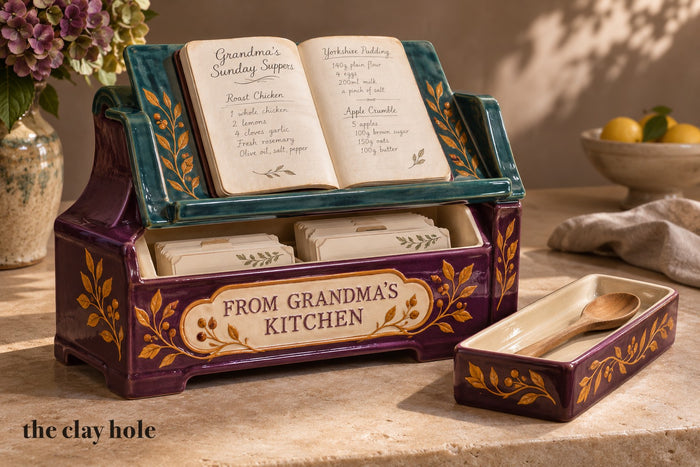
A stand with a removable side tray and card storage beneath.
Expert, $3609 to 12 in
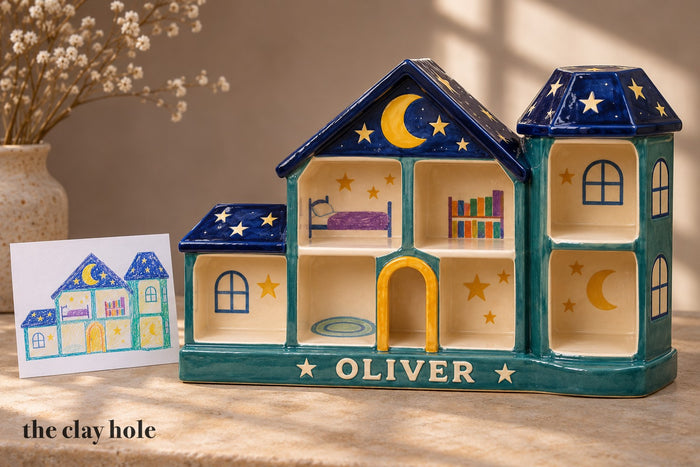
A house with a tower room and side room, four or more rooms.
Expert, $7001 house, 4 or more rooms, 12 to 16 in
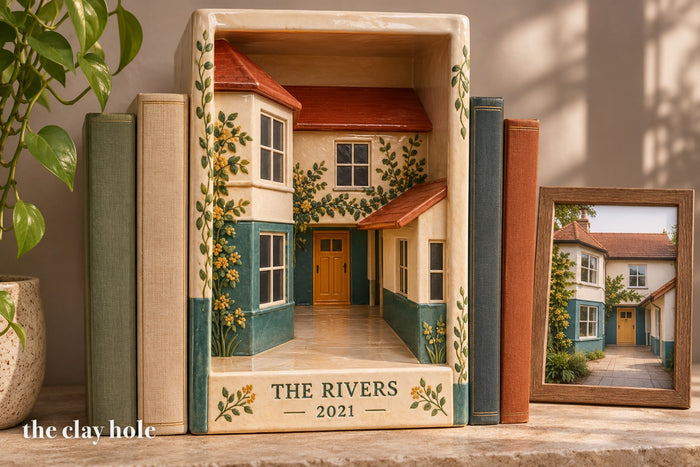
A courtyard scene with a bay and porch, set deep into the shelf.
Expert, $6008 to 11 in
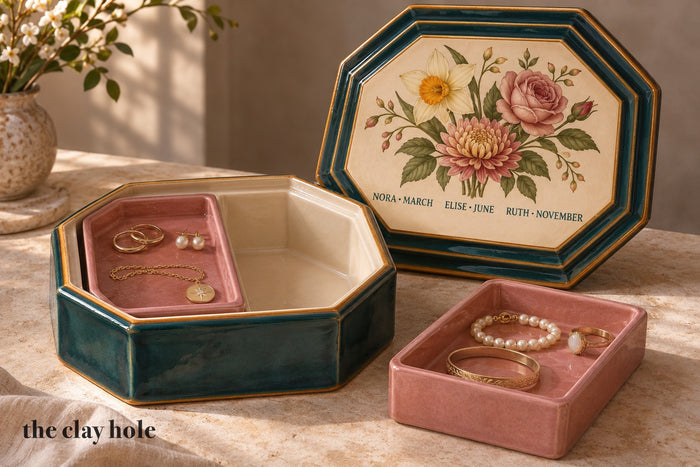
An eight-sided box with trays and a stepped lid.
Expert, $4401 box, 8 to 10 in, up to 5 flowers
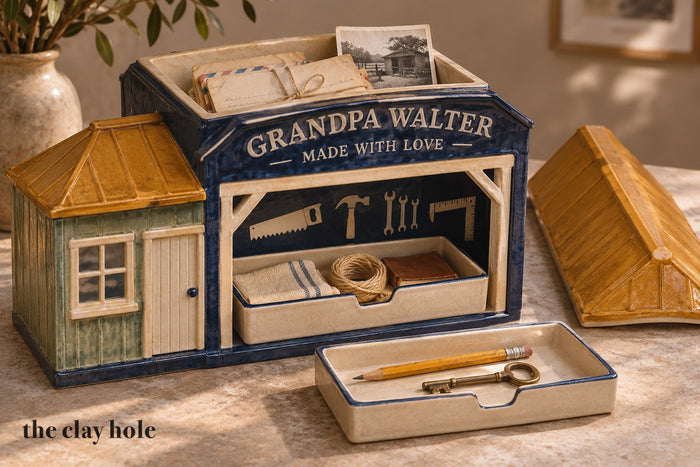
The shop with a workbay and memory storage under the roof.
Expert, $6009 to 12 in
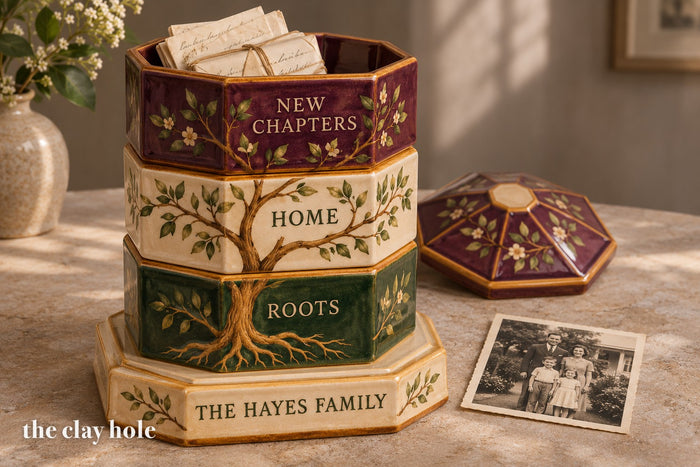
Three modules on a stepped plinth under a faceted roof.
Expert, $6003 modules, plinth and roof, 11 to 14 in
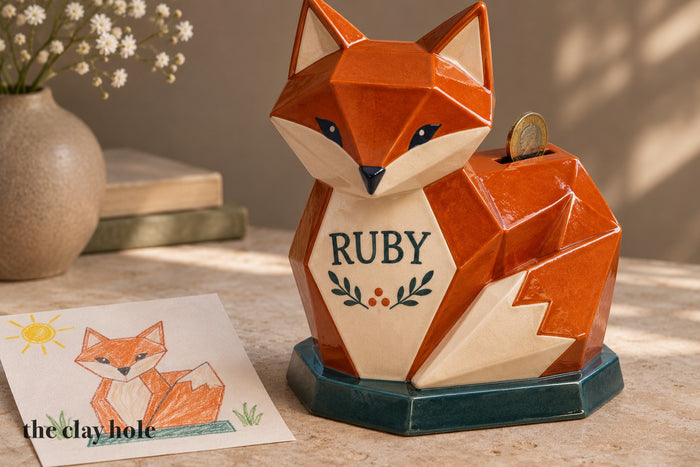
A faceted creature with folded wings and tail.
Expert, $4408 to 10 in
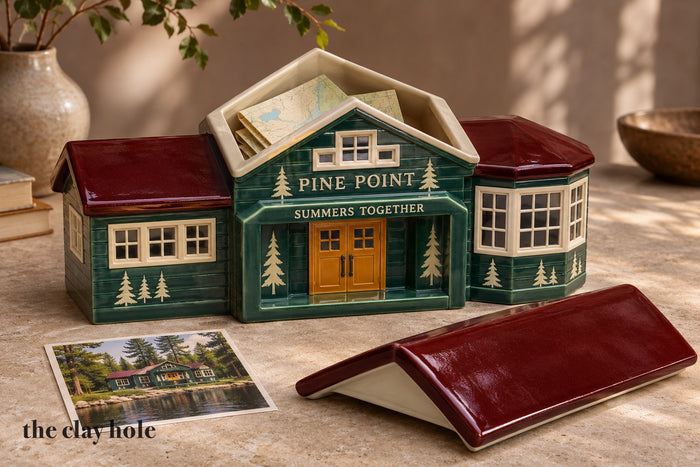
Recessed porch, side wing, a lift-off roof over a memory chamber.
Expert, $52010 to 13 in
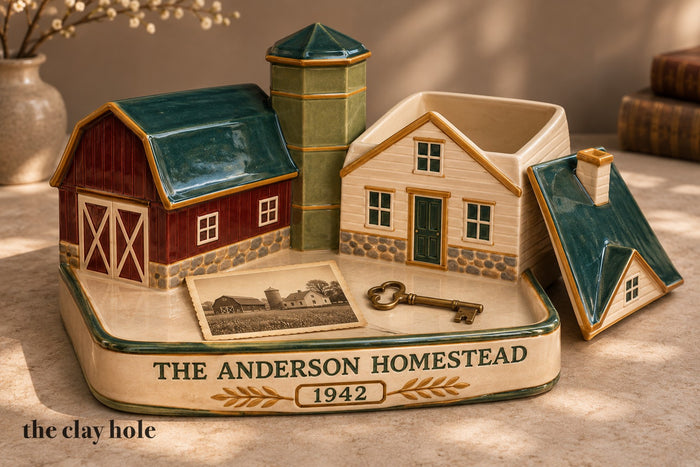
Farmhouse, barn and silo with a yard base.
Expert, $7003 buildings and yard base, each 6 to 10 in
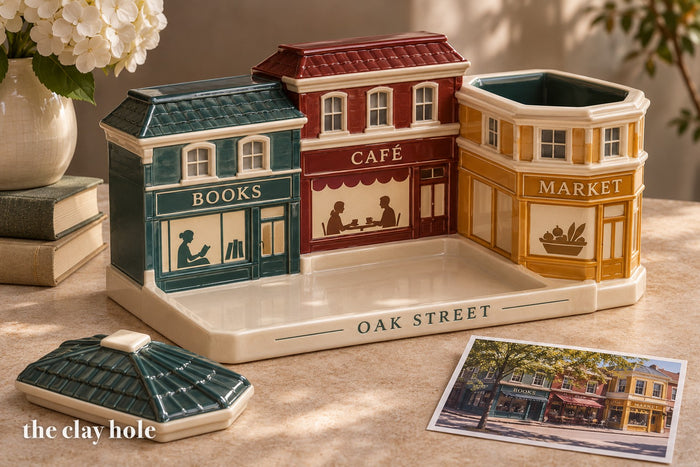
Four buildings around a courtyard catchall.
Expert, $7004 buildings and courtyard, each 5 to 9 in
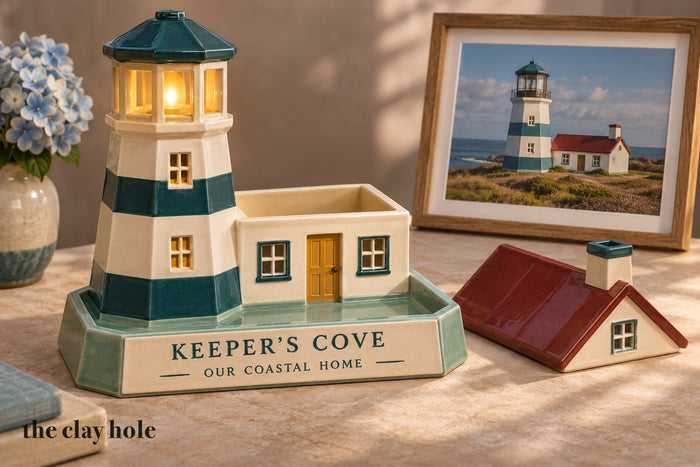
Tower, keeper's cottage and courtyard tray, with lift-off roofs.
Expert, $52010 to 13 in

An eight-sided box with two trays and a ridge lid.
Expert, $4409 to 11 in
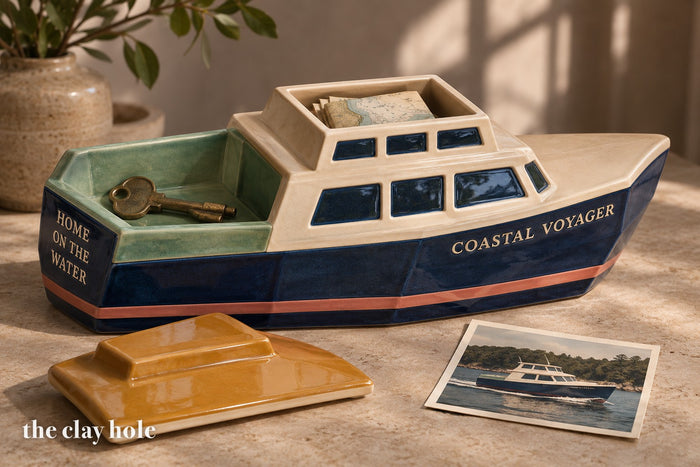
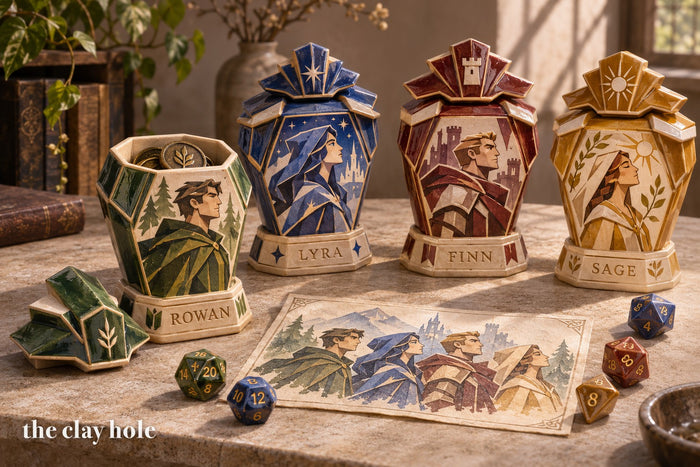
Taller characters with crests and more planes.
Expert, $7005 characters, each 5 to 7 in
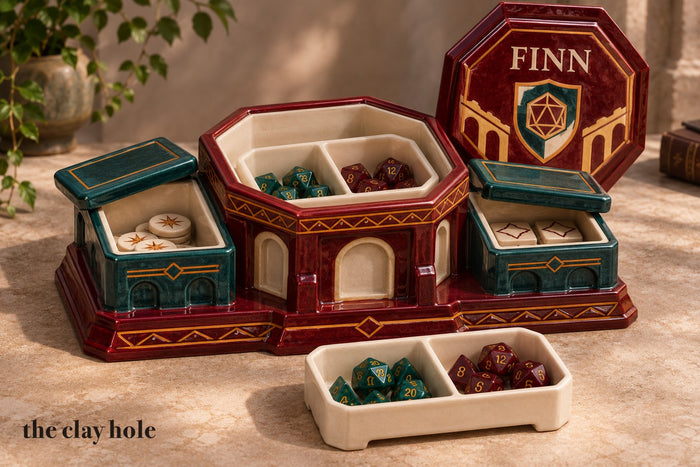
Three compartments on a stepped base, each with a lid.
Expert, $4408 to 10 in
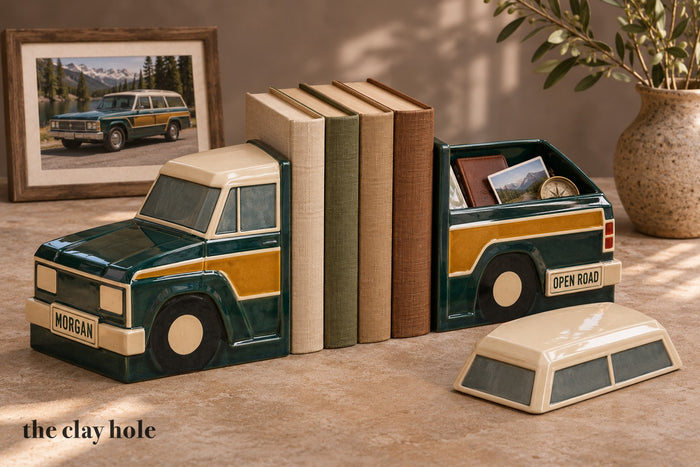
The car in 3D, split between the two bookends.
Expert, $6002 bookends, each 8 to 10 in
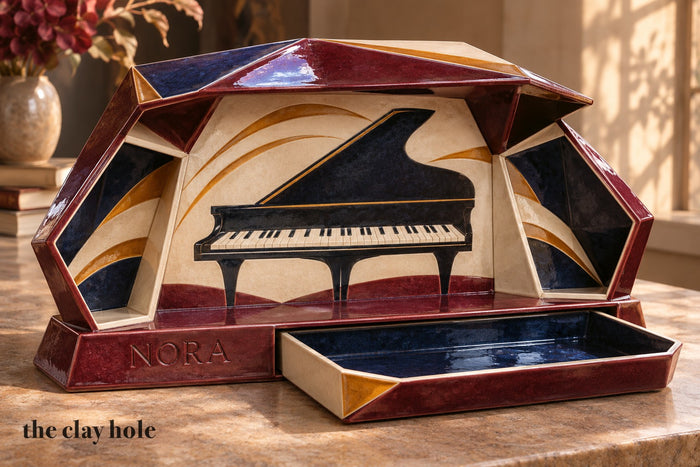
A three-part display in the shape of a concert shell.
Expert, $52010 to 13 in
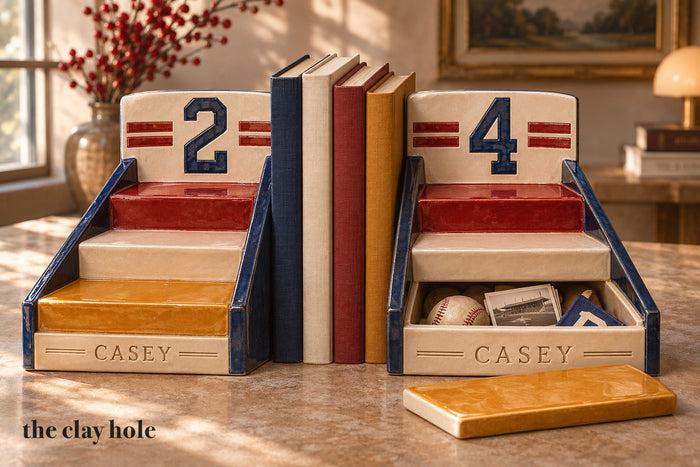
Stadium-terrace wedges with the numbers built in.
Expert, $4402 bookends, each 8 to 10 in
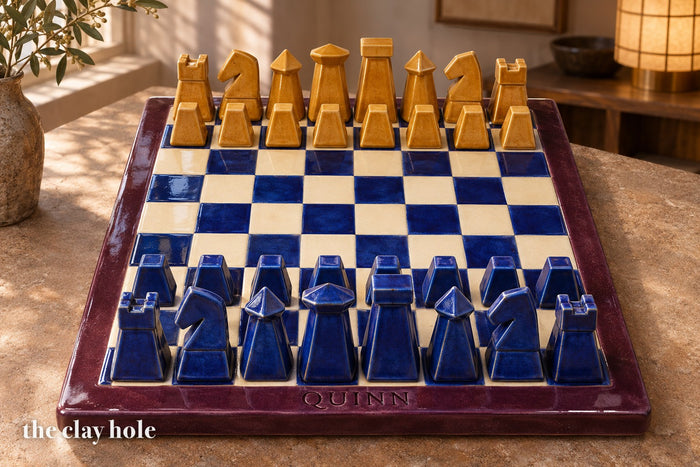
More detailed pieces and a board on a storage chest with a drawer.
Expert, $700board on storage chest, 32 pieces, board 14 to 18 in
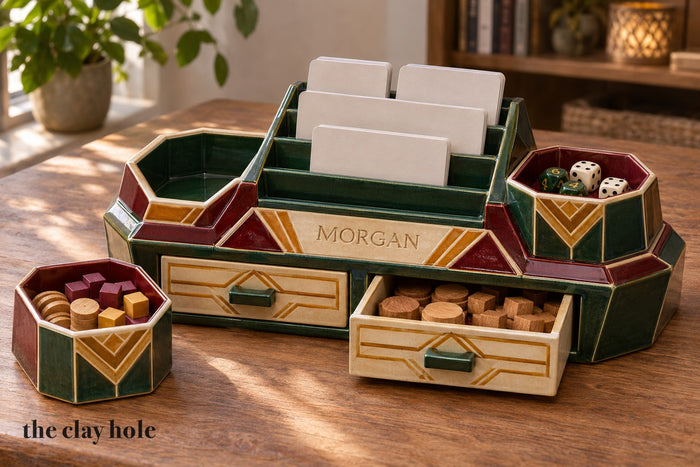
A console: card stand and two removable caddies.
Expert, $60011 to 14 in
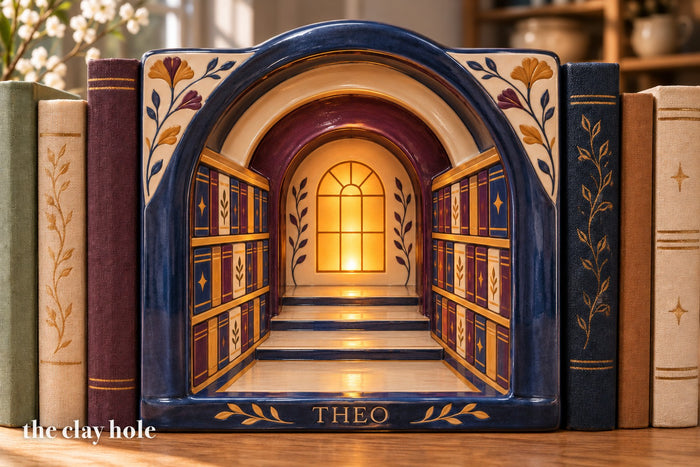
A deep scene with stairs and portals that fool the eye.
Expert, $6009 to 12 in
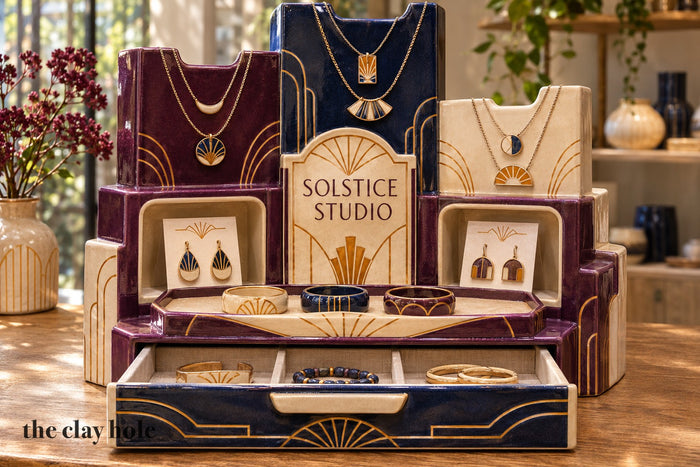
Three stepped towers with display bays.
Expert, $5203 towers with display bays, up to 16 in

A little shop building with a roof slot and rear access panel.
Expert, $3609 to 11 in
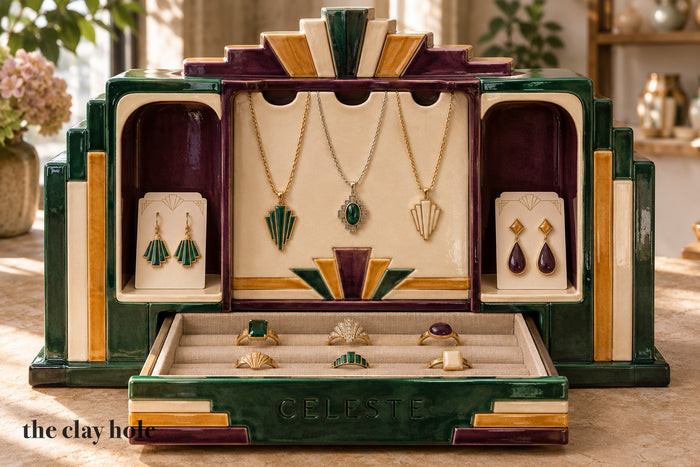
Art Deco side towers, a necklace panel and open niches.
Expert, $44010 to 13 in
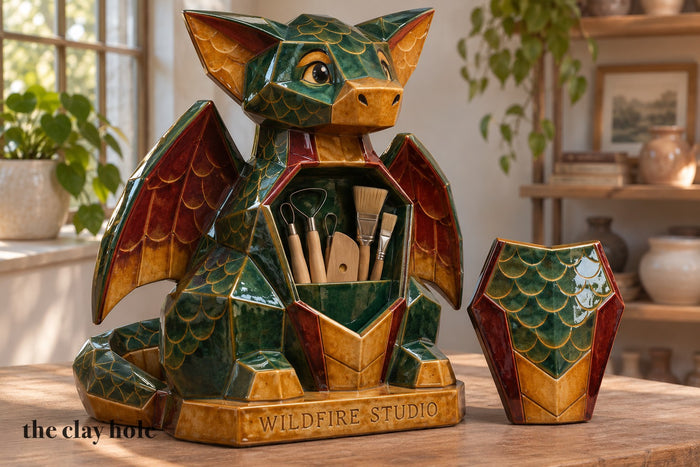
A larger faceted mascot with folded wings or a tail.
Expert, $52010 to 13 in
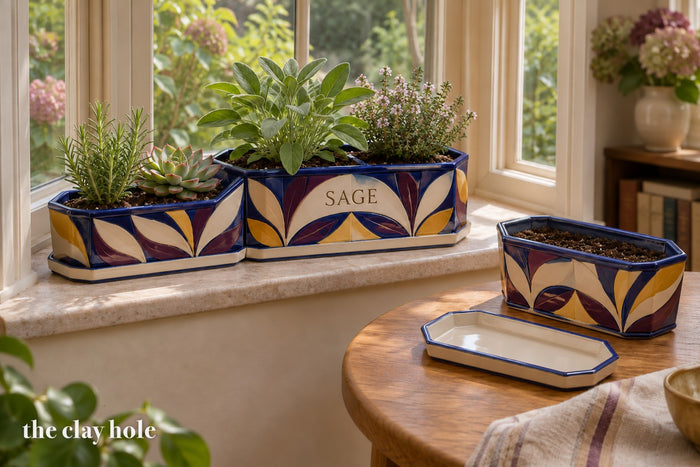
Three troughs with angled ends and removable drip trays.
Expert, $5203 modules with drip trays, up to 18 in overall

A lower tray following the drawer's odd corner plus a removable upper tray.
Expert, $600lower tray and removable upper tray, to your drawer
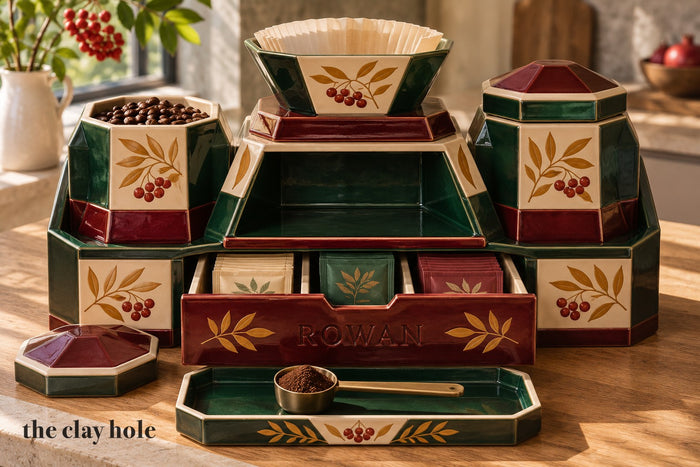
A console with two canisters and a fitted drawer.
Expert, $600console with 2 canisters and a drawer, up to 16 in
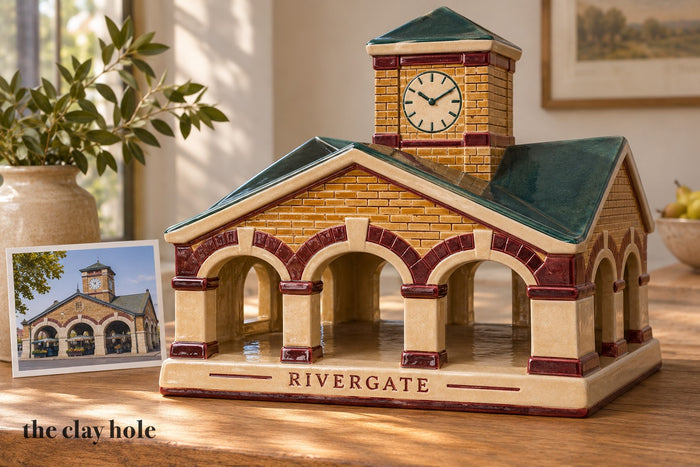
A detailed landmark with arches and intersecting roofs.
Expert, $70010 to 12 in
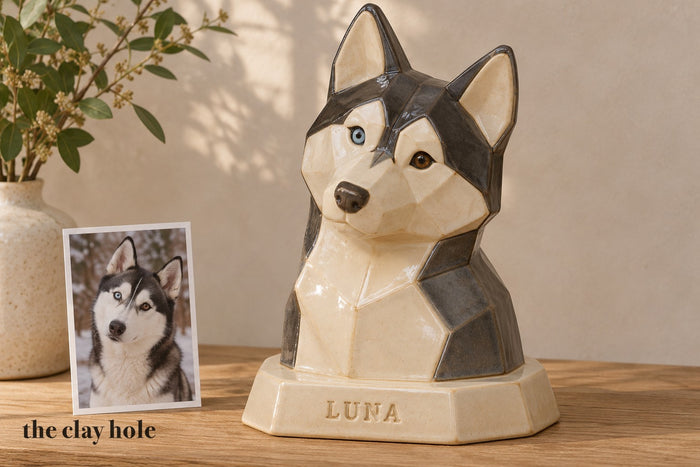
A freestanding faceted bust or seated pet, about sixteen planes.
Expert, $52010 to 13 in
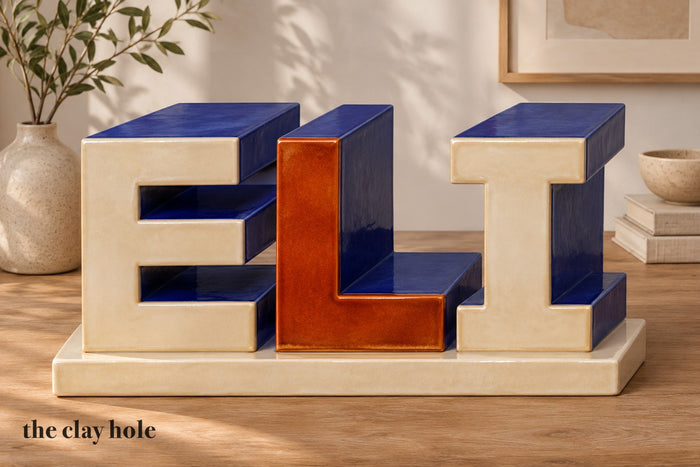
An architectural letter pavilion: letters as volumes joined by bridges.
Expert, $4401 sculpture in modules, up to 12 letters
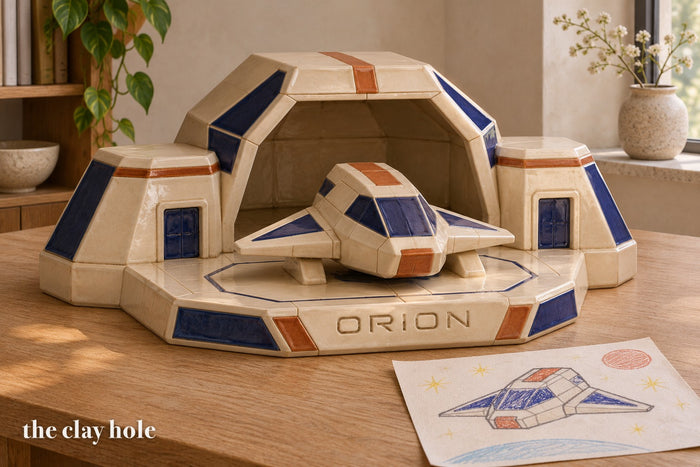
Anything that doesn't fit a named template, within the rules: your idea, your level, your size range.
Expert, $725up to 4 objects, 8 to 16 in
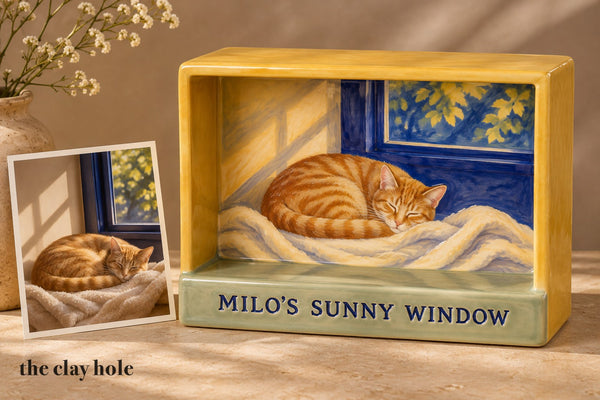 Easy on purposeBeginner
Flat panels and straight cuts. Nothing has to fit snugly.
From $100
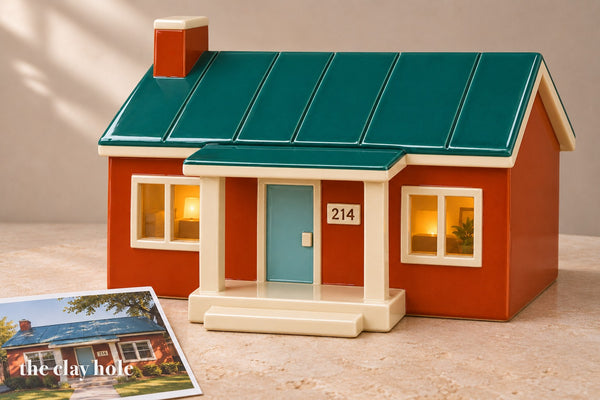 A little trickyIntermediate
Parts that fit each other: a lid on a flange, a piece that nests.
From $160
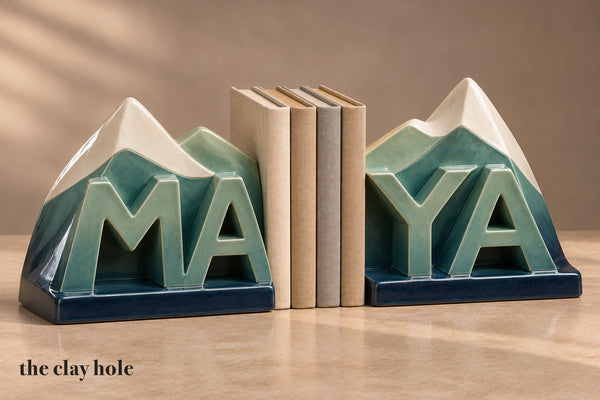 Getting seriousAdvanced
Beveled edges, hollow forms and built relief. A checked 3D model behind every pattern.
From $240
 Bring snacksInsane
Dozens of numbered pieces that fit exactly, built in modules.
From $500
 Go bigLegendary
One modular showpiece at 42, 54 or 66 inches on its longest side.
$1,000 to $1,500
Answer for where your hands are today, not where you hope they'll be next spring. It's advice, not a test.
This can't promise how your build goes. The Explain It Like I'm 12 guide and Clayla are help along the way, not a stand-in for the skills a level asks for.
Read the scope for that level, add any extras you want, accept the terms and order.
A list of exactly what I need: photos, names, measurements, whatever your idea depends on.
Once I have everything, your first concept arrives within 5 business days (2 with rush).
Up to two alternative concepts if the first isn't it, then one combined round of small refinements.
Nothing is final until you say so. Silence never counts as a yes.
Ready within 3 weeks of your approval (Legendary, 4), or 5 business days with rush (Legendary, 8).
Print, roll, cut and build. Clayla project help is there if you added it.
Business days are Monday to Friday, Mountain Time, not counting studio holidays. Time you take to reply never counts against you, and you always get your exact due date.
A tapered lighthouse with a railed deck and a lantern room that glows. The roof lifts off for a tealight, or a clip-in cord lights the whole tower.
The one you're ready to build. A Beginner version is a deliberately simpler build of your idea, and what makes a piece mean something doesn't depend on how many parts it has. The skills calculator on this page asks a few questions about your experience, space and time, then recommends a level. A higher level, or the Explain It Like I'm 12 guide, doesn't replace the skills that level calls for.
I'll tell you before I start your first concept. Then you choose: I simplify it to fit what you bought, or you pay the difference to move up. I never add charges or trim what you bought without your say-so.
No. I check every custom template digitally before it goes out: the patterns against the design, and the drawings and instructions against both, with a 3D model behind every Advanced and higher design. Your piece is a brand-new design, so you're the first to build it. If you hit a mistake of mine, I fix it free.
Everything you need to build the piece at the level you chose: full-size patterns for every piece with labels, quantities and dimensions, a tools and materials list, step-by-step assembly instructions, and a bevel guide if the design has angled edges. Expert, Insane and Legendary templates also get in-depth chapters on drying, keeping clay workable over a long build, and avoiding common problems. The add-ons make it easier or faster. They never hold back anything you need.
Your first concept arrives within 5 business days after I have everything I need (2 with rush). Once you approve your design, your finished template is ready within 3 weeks (Legendary, 4 weeks), or 5 business days with rush (Legendary, 8). Business days are Monday to Friday, Mountain Time, not counting studio holidays. You get your exact due date the day you approve.
Every size I list is the finished size after firing, assuming your clay shrinks 12%. Clay bodies vary, so if yours shrinks more or less, send me its shrinkage with your information and I'll size the patterns for it.
Something else? Ask Clayla, The Clay Hole Assistant. Questions about the program never cost anything.
Pick the idea, choose Expert, and tell me the whole story.
New member deal
30 of 30 discounted spots left this month
Tell me where to send it and this month’s deal lands in your inbox. If this month runs out, you get next month’s before it opens.
Almost done
Done
It should land in the next few minutes. One thing while you wait: we are members only and we do not run walk-in tours, so the virtual tour is the closest you can get to standing in one.
Test mode. Visitors are not seeing this.
One question
I opened The Clay Hole in Draper, Utah, and I would like it to be in more places than that. Where the next one goes is the part I have not worked out yet.
Where are you?
That is how I work out where the demand actually is. The rest is so I know who to tell.
Got it
This could be a long wait, and I will not email you in the meantime. If your area is where the numbers land, you will be the first to know.
Test mode. Visitors are not seeing this.
