

 Pottery Date Night
 Bring All Your Friends Free Week
 Give a Month of Pottery
 Private Pottery Parties

 The Welcome Booklet
 Your First Ten Sessions
 The Pottery Process
 Finding the Studio
 Your Classes Never Expire
 The Four Tables
 Who’s Who
 The Rewards Program
 Flux Glazes
 The Calculators
 Kiln Tracker
 Holiday Kiln Deadlines

 Beginner’s Tool Set
 Fingernail Clippers
 Mayco Clay Mender
 Epoxy for Kintsugi
 Applicator Bottles
 Large Bead Rack
 Raku Workshop
 Nighttime Raku
 Horsehair and Feather Raku
 The Clay Hole T-Shirt
 Embroidered Crewneck
 Zip-Up Hoodie
 Pre-Made Bisqueware
 Glaze Catchers
 Kiln Cookies
 Clay Cubby Rental
 The Glaze Bible, Printed
 The Book of Molds, Printed
 Printable Pottery Guides
 Free Printable Trackers
 Gifts for Potters
 Christmas Pottery Ideas
 Mother’s Day Gift Ideas
 Pottery Date Night
 Studio Calendar
 2027 Studio Events
 What Should I Do Today?
 How to Throw on the Pottery Wheel
 How to Make a Pinch Pot
 How to Tap Center a Pot
 The Five Stages of Clay
 Is Pottery Hard to Learn?
 Pottery Wheel Practice Drills
 20 Easy Hand-Building Projects
 Everything That Sounds Wrong
 Why Did My Pottery Do That?
 Glaze Problems, Causes and Fixes
 How to Rescue Pottery at Any Stage
 Reglazing and Refiring

 A Beautiful Piece, Every Time
 Slab Roller Tips
 Any Dish as a Slump Mold
 Slab Roller & Slab Mold Certification
 The Pottery Skill Tree
 Clay & Pottery Calculators
 Pottery Paper Templates
 Logging Your Pottery and Glazes
 The Pottery Dictionary
 The Pottery Cone Chart
 Pottery Myths, Fact-Checked
 Is Handmade Pottery Food Safe?
 Incredible Ceramic Artist Videos
 How Dan Throws Giant Pots
 How to Dry Your Pottery
 The Pottery Wheel Introduction
 Pottery by Zodiac Sign
 Personality and the Pottery Wheel
 Pottery for Engineers
 ADHD, Hyperfocus, and Never Running Out
 Hobbies for Burnout
 Screen-Free Hobbies for Adults
 Every Addiction I Ever Had Lost to Art
 Functional Pottery Is Engineering
 How Do We Compare?
 Pottery Classes by City
 Every Pottery Studio in Utah
 Pottery in Draper
 Featured Members
 The Signature Wall
 Making Friends as an Adult Is Brutal
 The Clay Hole Commandments
 2027 Pottery Contests
 2027 Studio Parties
 Gallery Night

 Scream It Into the Void
 Destroy the Glaze Wall
 Daily Affirmation Cards
 Everything That Can Go Wrong
 Subscribe to Our Newsletters
 Contact The Clay Hole
 Corporate Team Building

 Glaze Combinations
 Glazes We Do Not Carry
 Making Glaze Test Tiles
 The Mega Glaze Tool
 How to Use the Mega Glaze Tool

 Glaze Brushing Techniques
 How to Use Underglaze
 How to Use Dipping Glazes
 The Dipping Glaze Guide

 Making a Glaze Catcher
 Fused or Sharp After Firing
 The Signature Wall
 His Viral Videos
 His Own Ceramics
 Meet Mud
Laguna Clay · WC851
52 Buff Clay
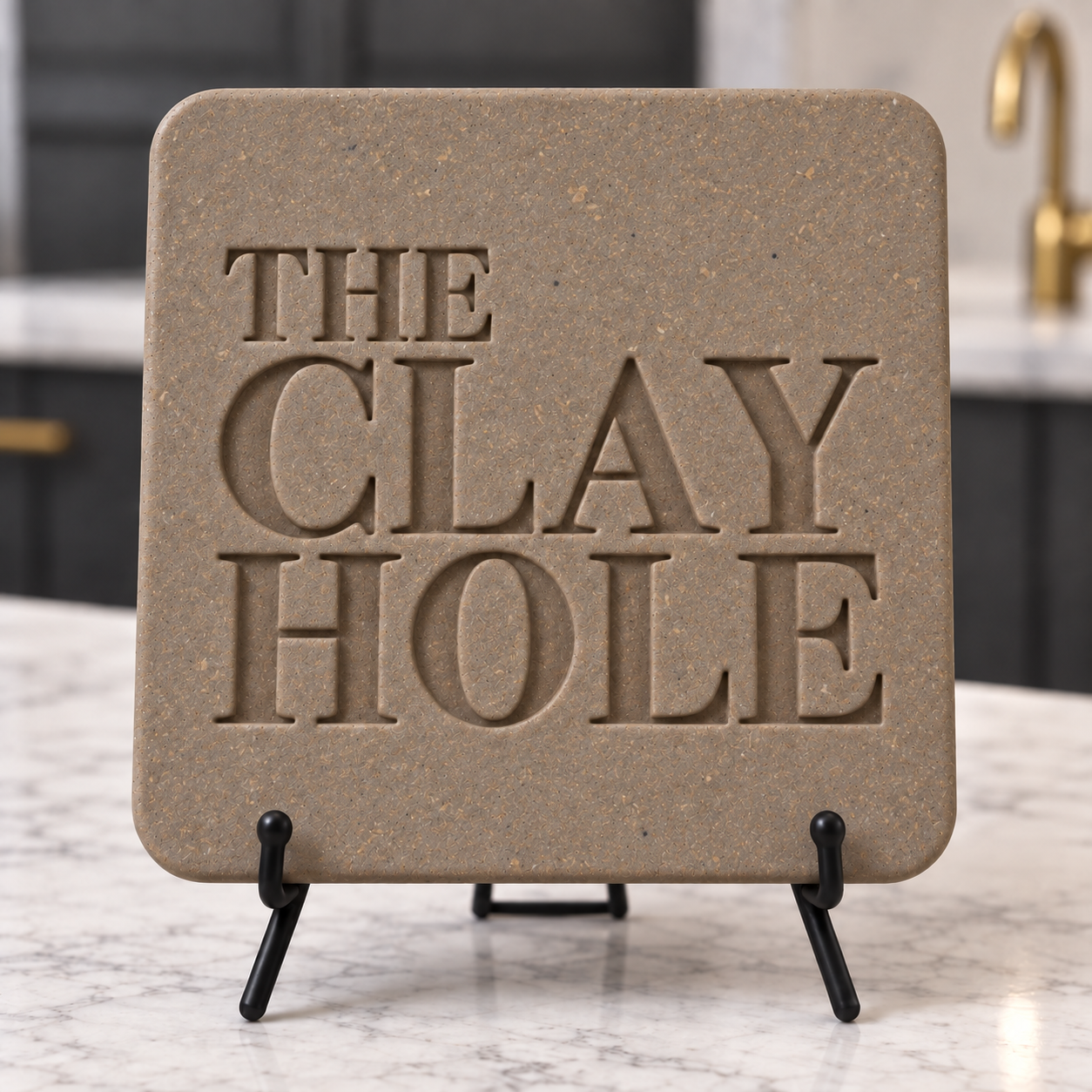
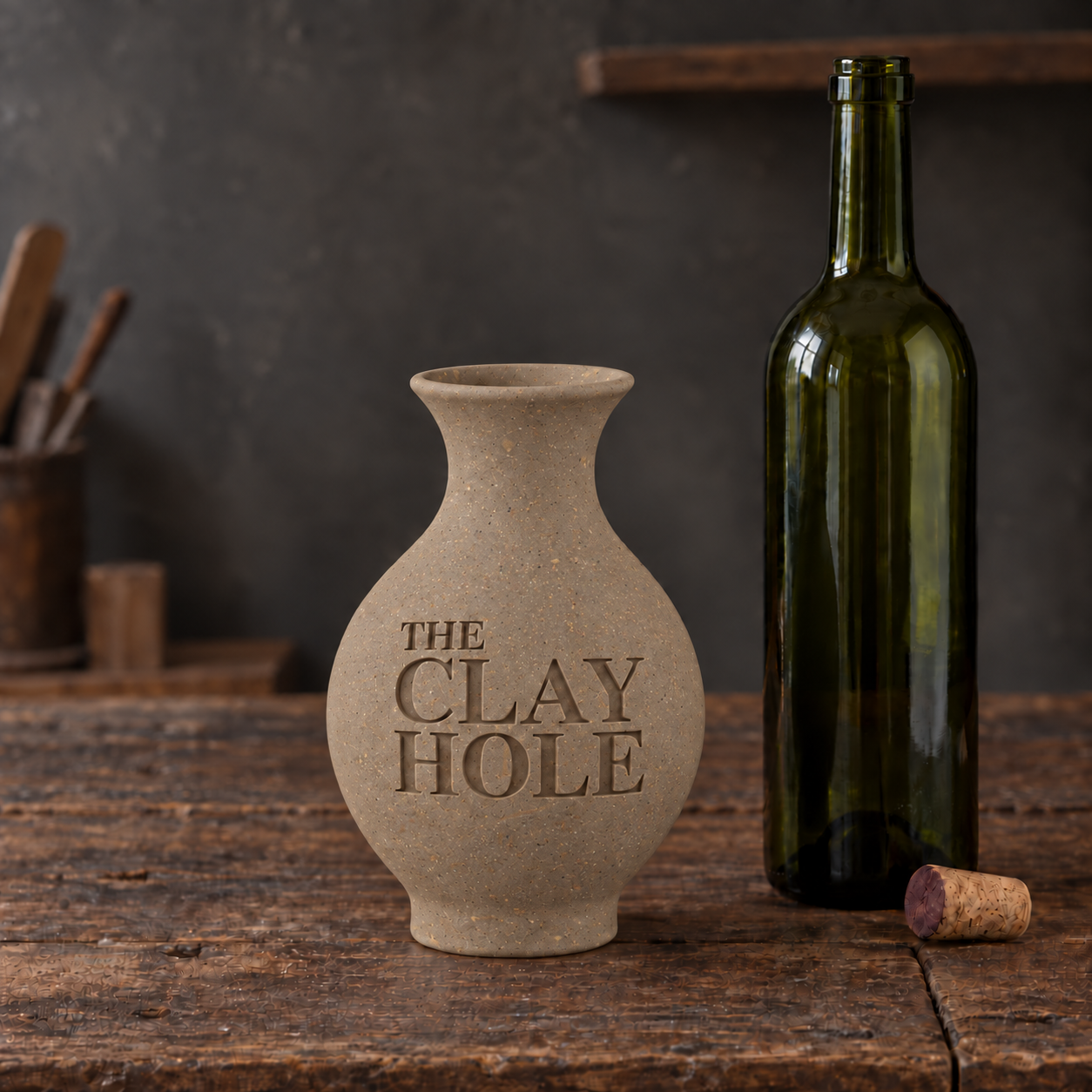
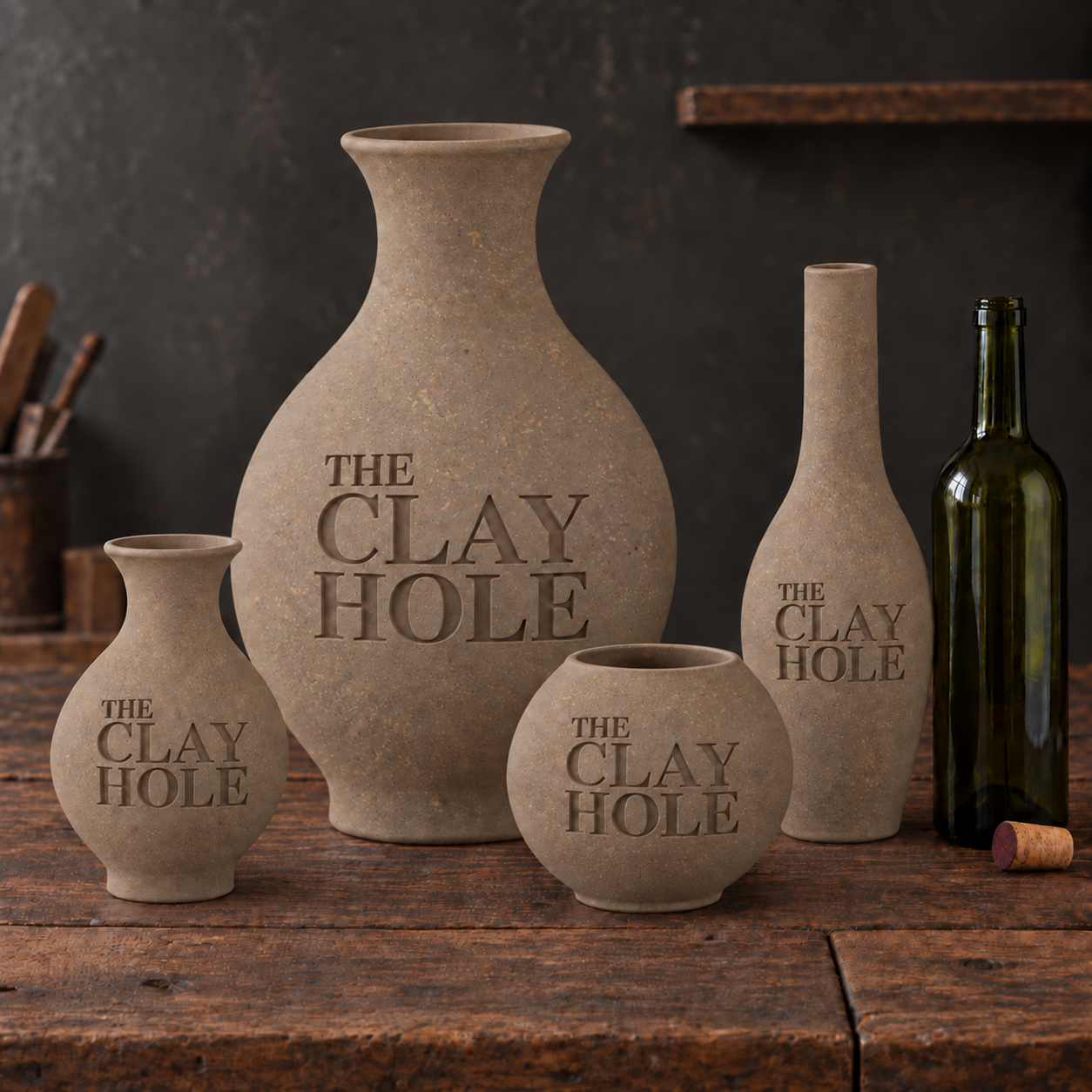
The cheapest bag in the studio and the one that moves the least in the kiln. A smooth, warm, slightly sandy stoneware that makes mugs, bowls, tiles and hand-built work easy, and makes iron glazes look expensive. It is not the bag for anything huge.
Bare 52 Buff. Fired and sanded smooth, it goes a soft, warm, stony tan.
Before you buy it
Is 52 Buff your clay?
Every clay is good at something and bad at something else. Here is the short version for this one, so you do not spend $28 finding out the hard way.
Buy it if
- You are making mugs, bowls, cups, planters, small vases or plates.
- You are hand building or working in slab molds and you want something easy.
- You are making tiles and you want them to stay flat.
- You love warm, earthy, stony glazes and want them to look richer than they do on white clay.
- You are still learning the wheel and you want a clay that forgives you.
- You want the least expensive way to make a lot of work this month.
Buy something else if
- You are building anything big, tall or heavy. This bag has no grog and no sand in it.
- You are sculpting something with real weight to hold up.
- You want crisp, bright, true-to-the-chip color. A tan body warms every color that goes over it.
- You want a white piece. This one is not white and never will be.
- You are carving very fine detail, where porcelain is going to serve you better.
- You want a fully waterproof unglazed surface. See the naked clay note further down.
What it is best at
Where 52 Buff earns its keep.
Laguna rates this body for small and medium work, tableware, ovenware, wall tile, floor tile and jewelry. Notice what is missing from that list: anything large. That is not us being cautious, that is the manufacturer.
Smooth enough to feel good under wet hands, with just enough tooth that a wall will stand up instead of collapsing. Mugs, bowls, tumblers and small vases all day.
Rolls out clean, joins well and does not fight you. The low shrinkage means slabs stay closer to the size you cut them.
Excellent. Drapes without tearing and releases cleanly. This is also where a bag that has gone too stiff to throw should end up instead of the trash.
The quiet best use for this clay. Ten percent shrinkage is the lowest of our eight, so tiles warp and crack less than they would in almost anything else on the shelf.
Fine for small figures and detail work. Anything with real weight on top of it will slump, because there is no grog or sand holding the structure up.
Not the bag for it. Laguna makes a separate sanded version of this clay specifically because plain 52 Buff is not strong enough once pieces get bigger. For stacked and joined work, B-Mix w/Grog or Half & Half will treat you better.
The nerdy part
The numbers, and what they actually mean.
These are Laguna’s published figures for WC851. The translation underneath each one is ours.
The trade-offs
What is great about it, and what is not.
What it does well
- It is the cheapest way to make things.Green level pays $28 a bag, Black level pays $22. When you want to make ten of something to figure out a form, this is the bag that lets you do it without wincing.
- It moves the least in the kiln.Ten percent shrinkage is the lowest number on our shelf. Less movement means fewer cracks, less warping, and a finished size much closer to the one you planned.
- It forgives beginners.It is not slick like porcelain and not sticky like a very plastic body. It sits in the middle, which is exactly where you want to be while your hands are still learning.
- It makes iron glazes look expensive.The tan body underneath adds depth to shinos, temmokus, floating glazes and anything iron based. The same glaze on white clay often looks flatter.
- It is genuinely pretty bare.Sanded smooth after firing it has a warm, stony surface that a lot of people prefer to a glaze.
- It trims cleanly and takes texture.Stamps, carving and slip trailing all read well, and the slight grit holds a crisp edge for glaze to break over.
What it does badly
- It cannot carry weight.No grog, no sand. Tall walls sag, heavy sculptural elements slump and big joined pieces crack at the seams. Laguna sells a sanded version of this exact clay for that reason.
- It is the least vitrified clay we carry.At 3.5% water absorption it stays slightly open after firing. Anything holding liquid needs a glazed interior, and a bare foot ring will darken when it sits in water.
- It mutes bright color.Pinks, mints, pastels and bright reds go warmer and softer over tan than they do over white. Sometimes that is lovely. Sometimes it is not the color you picked.
- Clear and celadon glazes go amber.Anything transparent shows the tan body straight through it, so a pale blue celadon reads greener and warmer than the sample chip.
- Its shrinkage is the odd one out.Because it moves 10% and most of our other clays move 12% or more, joining 52 Buff to another clay body in one piece is a reliable way to crack it apart in the kiln.
- Fine detail is harder here.The slight coarseness that helps it stand up is the same thing that blurs very fine carving. That is a porcelain job.
Glazing it
What a tan body does to your glaze.
Every glaze chip in the studio was photographed on white clay. 52 Buff is not white. That is not a problem, it is a tool, as long as you know which direction it pushes things.
What pops on it
What fights it
Satin or glossy?
Satin, most of the time. A warm, slightly gritty tan body looks like stone, and satin and matte surfaces lean into that instead of arguing with it. The Mayco Stoneware Matte and Coyote Satin families are the easy win here.
Go glossy when the glaze itself is the event: temmokus, shinos and iron glazes need gloss to get their depth, and a gloss interior is the right call for anything you eat or drink out of because it cleans better.
Is it beautiful naked?
Yes, and this is one of the nicer bare clays we carry. Fired and then sanded smooth it goes a soft, warm, stony tan that a lot of members prefer over any glaze. Bare clay is fine to fire here.
The one limit is that number in the spec sheet. At 3.5% water absorption 52 Buff stays slightly open, so a bare surface is not waterproof and a bare foot will darken if it sits in a puddle. Half naked is where it really shines: glaze the inside and the top, leave the bottom third raw, and let the two surfaces do the work.
Combinations worth trying
Where these came from. These pairings come from the glaze makers’ own layering guides and from what potters consistently report on tan bodies. They are not photographs of a shelf of 52 Buff test tiles from this studio. Fire a test tile before you commit a piece you care about, and go dig through the Glaze Bible and our glaze combination resources while you are at it.
Getting it to the kiln in one piece
How this clay dries, and where it breaks.
52 Buff is one of the easier bodies to dry, mostly because it shrinks less than everything else on the shelf. That does not make it bulletproof, and Utah is doing its best to help it fail.
Compress the bottoms
The single most common crack on this clay is a straight line or an S across the base of a thrown piece. It comes from a floor that never got compressed, not from the clay. Rib it firmly on the wheel while it is still wet.
Slow the rims and handles down
Thin parts dry first and pull away from thick parts that have not moved yet. Loosely cover the top half of a mug for the first day so the rim and the handle wait for the body to catch up.
Watch the seams on hand-built work
Score and slip properly and press the join, do not just smear it. With no grog in this body there is nothing bridging a lazy seam, so it opens as it dries.
The good news. Ten percent shrinkage is genuinely forgiving. A piece made from 52 Buff has less distance to travel between wet and fired than the same piece in porcelain, and less distance means fewer chances to tear itself apart. This is why it is the tile clay and why it is the clay to learn on.
If you want the full walkthrough, we wrote one: how to dry your pottery.
Keeping it alive
52 Buff in a desert.
Utah air pulls water out of a bag of clay faster than most people expect. This particular clay is on the leaner side, so it stiffens up sooner than the softer bodies do, and it is also the easiest one to bring back.
Close the bag the second you are done
Not at the end of class. The second you cut what you need. An open bag in this climate goes stiff on the surface within one session, and a stiff skin on the outside of the block is what makes the whole thing miserable a week later.
Only cut off what you are using
Every cut face is a new surface losing water. Slice one piece, close the bag, and leave the rest of the block whole. Do not cut the whole bag into balls on day one.
Push the air out
Air trapped inside a sealed bag is still air that dries clay. Squeeze it flat against the block before you close it up.
Use it fast
This is not a bag to buy and store for three months. Clay is cheapest and happiest when it goes from the shelf to your hands to the kiln without a long stop in the middle.
When it has already gone hard. Beat it. Throw the block down on the ground hard, a few times, turning it between throws, or slam wedge it on the table. That is the fastest way to wake up a stiff bag of 52 Buff, and it works better on this clay than on the porcelains.
If it is past saving on the wheel, it is not garbage. Hard 52 Buff is excellent slab mold clay, and slab molds do not care how stiff it is. Never fight hard clay on the wheel. It is bad for your wrists, your hands and your back, and throwing is about touch, not strength.
Plan it before you throw it
The 52 Buff shrinkage calculator.
This clay shrinks 10% between wet and fired. That sounds small until you throw a mug at the exact height you wanted and pull it out of the kiln an inch shorter.
Works for height, width or diameter. Measure the wet piece while it is still on the wheel or the table, before it starts drying.
What a bag actually buys you
Cost per piece.
A bag of clay is 25 pounds. The only number that matters is what one finished thing costs you, and on this clay that number is small.
These weights are studio averages for a piece thrown at a normal thickness. Heavy throwers get fewer pieces.
Clay only. Glaze up-charges, kiln firing fees and your membership are separate.
All eight, side by side
How 52 Buff stacks up.
Prices follow the level you picked in the buy box. Tap any clay to go to its own page.
 52 BuffYou are here
 B-Mix w/Grog
 B-Mix
B-Mix
 B-Mix w/Specks
 Speckled Buff
 Half & Half
 #16 Porcelain
 Berlin Gray
| Clay | Fired color | Texture | Best at | Shrinks | Price |
|---|---|---|---|---|---|
| 52 BuffYou are here | Warm buff tan | Slightly coarse | Mugs, bowls, tiles, hand building, slab moldsNo grog, so it slumps and cracks on anything big. | 10% | $28 |
| B-Mix w/Grog | Off white | Very fine grog | Beginners, joined pieces, bigger forms, and rakuYou can still feel the grog on a smooth rim. | 11% | $32 |
| B-Mix | Cream | Smooth, porcelain-like | Tableware, ovenware, tile, jewelry, a pleasure on the wheelWants slow drying and real compression or it cracks. | 12% | $36 |
| B-Mix w/Specks | Warm white, speckled | Smooth | Everything B-Mix does, with specks coming through the glazeSame crack risk as B-Mix, and the specks will change your glaze. | 12.5% | $36.50 |
| Speckled Buff | Desert tan brown, speckled | Smooth, low grit | Wheel throwing, warm earthy work, a reduction look in an electric kilnThe manganese specks burn through glaze, so pale colors will not stay pale. | 12% | $40 |
| Half & Half | White | Smooth | Large sculpture, multi-section wheel throwing, white functional wareHalf porcelain, so it is less forgiving than it looks. | 12% | $40 |
| #16 Porcelain | Very light gray white | Very smooth | Fine detail, carving, slab forming, true glaze colorThe highest shrinkage on the shelf, and it punishes sloppy compression. | 13.9% | $44.50 |
| Berlin Gray | Cement gray to dark gray | Impalpable grog | Throwing and modeling smooth pieces with fine detailWants to sink back down while you throw big pieces. | 12.4% | $49 |
Berlin Gray comes in a 27 lb vacuum sealed bag. Every other clay here is 25 lb.
After you buy it
How you actually get the bag.
Clay is not sitting out for anyone to grab. Once you have paid for it, a staff member goes and gets it with you, so you always leave with a fresh bag rather than the one that has been open on a shelf.
Buy it here
Pick your level, choose how many bags, and check out. The receipt lands on your phone straight away.
Show the receipt
Pull the receipt up on your phone and show it to any member of our staff. That is the whole check.
They go with you
A staff member walks back with you and hands you a fresh bag of 52 Buff.
Go make fourteen mugs.
It is the cheapest bag we sell, it moves the least in the kiln, and it makes an iron glaze look like you know what you are doing. If you are not sure what you want to make yet, this is the bag to be unsure with.