
Your clay, at your price
Eight clays.
Every one of them premium.Eight premium clays.
Everything we carry, what each bag is genuinely good at, what it costs you, and how to keep a bag alive in a dry climate like ours. Every price here is your employee price.
The collection
Our clays, all cone 5/6.
Every one of these is a stoneware or porcelain body that matures properly in our kilns. The big number on each bag is what you pay. The small one is what a Green Level member pays for the same bag.
One price, and it is already yours.
There is nothing to pick here. Every bag below is priced for you, with what a Green Level member pays for the same bag printed next to it.
Every price on this page is your employee price, before sales tax. It is for clay going through your own hands and cannot be used to buy clay for anyone else. Buy it on your own account, the same as anything else here.
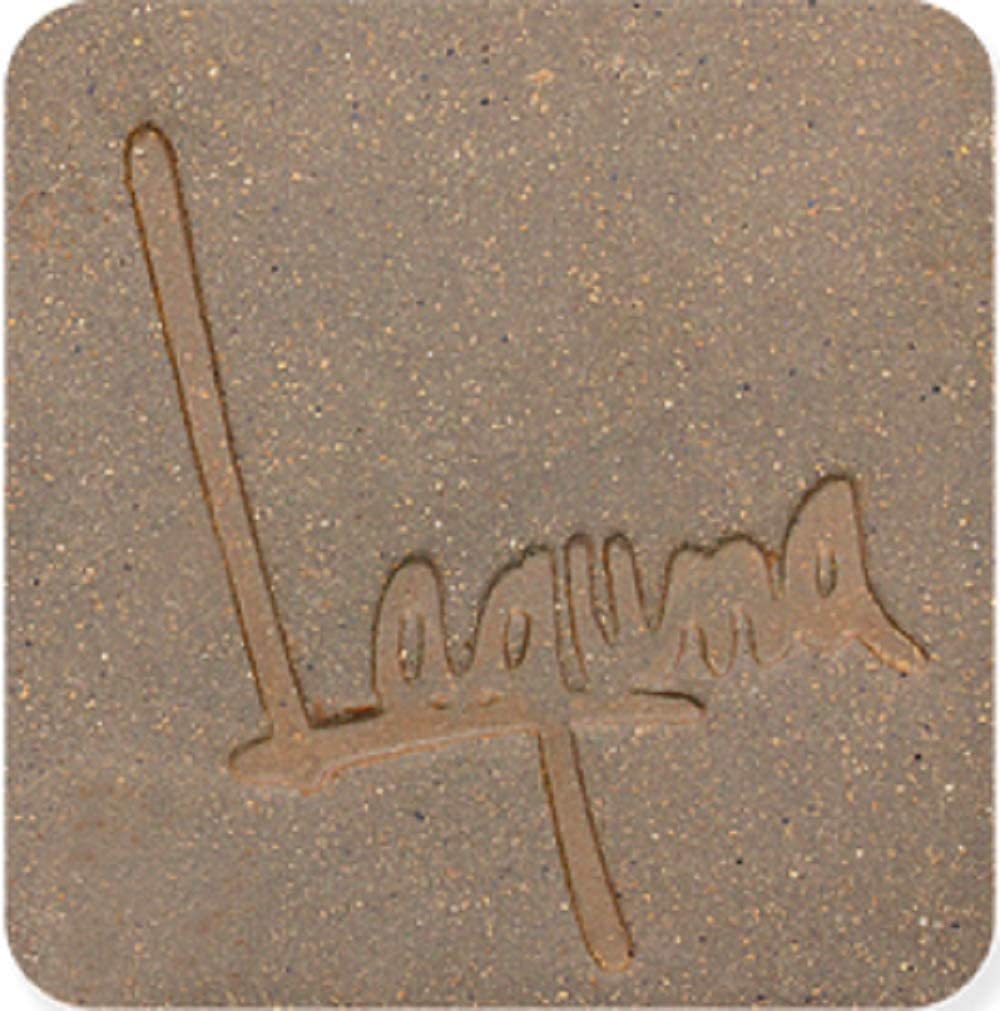
25 lb bag
The least fussy thing in the room. Smooth, warm, and forgiving of almost everything a beginner does to it. Fires a soft buff.
The cheapest bag we sell is not the worst clay we sell. If you are on your first few bags, this is the one.
Shrinks about 10% — the least of anything here
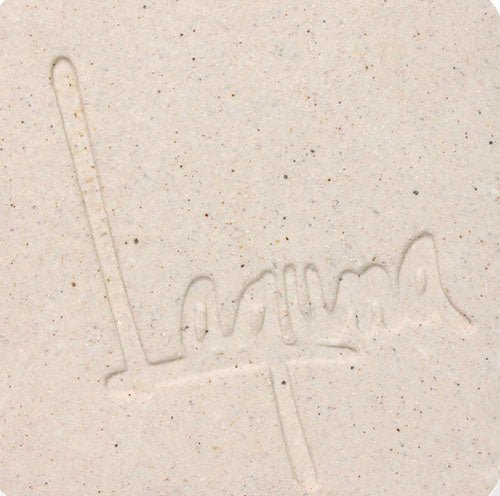
25 lb bag
B-Mix with a very fine grog stirred through it. Slightly toothy in the hand, dramatically more forgiving, and off-white when fired. Joins hold, big pieces stay put, and it warps and cracks far less than the smooth version.
This is also our go-to raku clay. Raku means pulling a piece out of a kiln while it is still glowing, and most clay bodies simply split when you do that. The grog is why this one survives: it opens the body up, drops the shrinkage, and gives all that sudden heat somewhere to go.
Shrinks about 11%
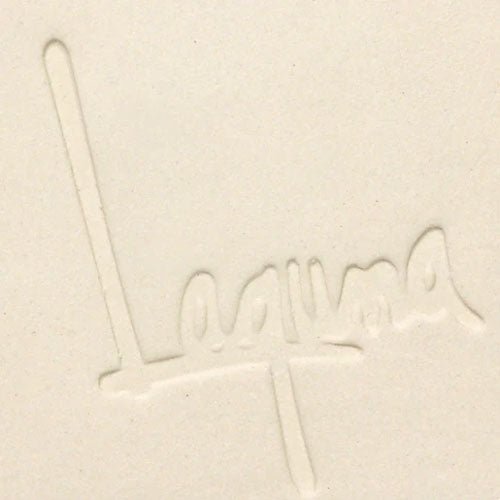
25 lb bag
The famous one, and deservedly so. Porcelain-smooth under your hands without porcelain’s temper, and it fires a clean cream that lets glaze color read exactly as it should.
Smooth means less forgiving. Thin rims and fast drying will find you out on this body in a way they will not on the grogged version.
Shrinks about 12%
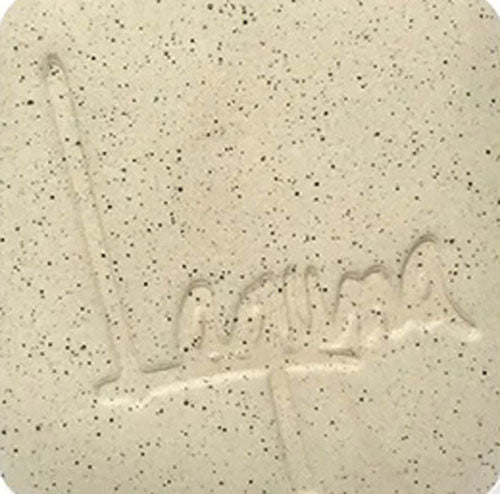
25 lb bag
B-Mix that fires warm white with iron speckle scattered right through it. All the throwing manners of plain B-Mix, with something happening underneath a simple glaze.
This one genuinely wants slow drying and real compression on rims and bottoms. Keep it covered between classes or it will crack on you.
Shrinks about 12.5%
25 lb bag
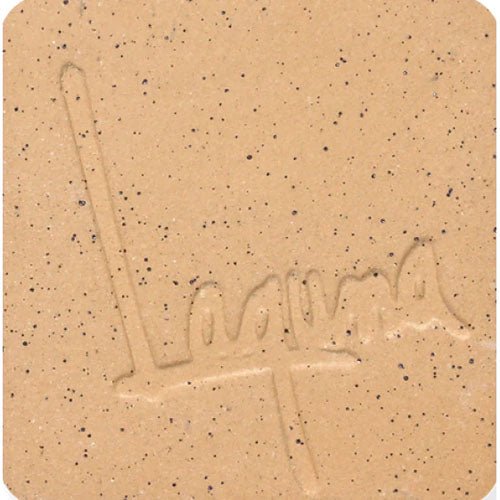
Desert tan and brown with heavy manganese speckle, and an excellent throwing body underneath all that character. The specks can burn up through a glaze and give an electric kiln the look of a gas-fired one.
Low in sand and grog for a clay with this much going on, so it throws far more smoothly than it looks like it will. The trade is that those specks come through pale glazes whether you invited them or not.
Shrinks about 12%
25 lb bag · half porcelain, half stoneware
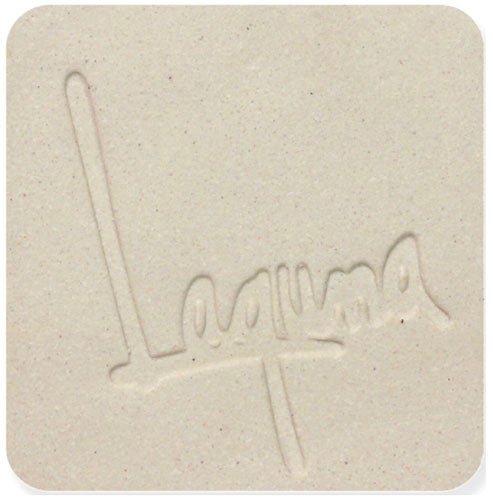
Equal parts white stoneware and porcelain. Whiter than B-Mix, easier to live with than straight porcelain, and very pleasant on the wheel. The stoneware half gives it the backbone for large sculpture and for multi-section wheel throwing, where you throw a piece in parts and join them.
The most vitrified body we carry — it absorbs around half a percent of water. If you want tableware that shrugs off everything, this is it.
Shrinks about 12%
25 lb bag
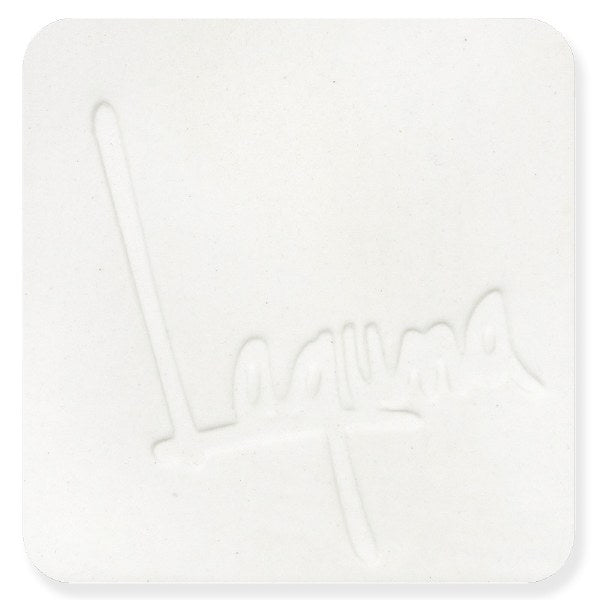
Real Grolleg porcelain, and a notably forgiving one. Extra ball clay makes it more plastic than most porcelains, and extra silica in the recipe helps stop glazes crazing. Dead white, and it takes carving and fine detail beautifully.
It shrinks close to 14%, the most of anything on this page, and porcelain finds every weak join and every fast dry. Worth it, but not a bag to learn on.
Shrinks about 13.9%
27 lb bag · vacuum sealed
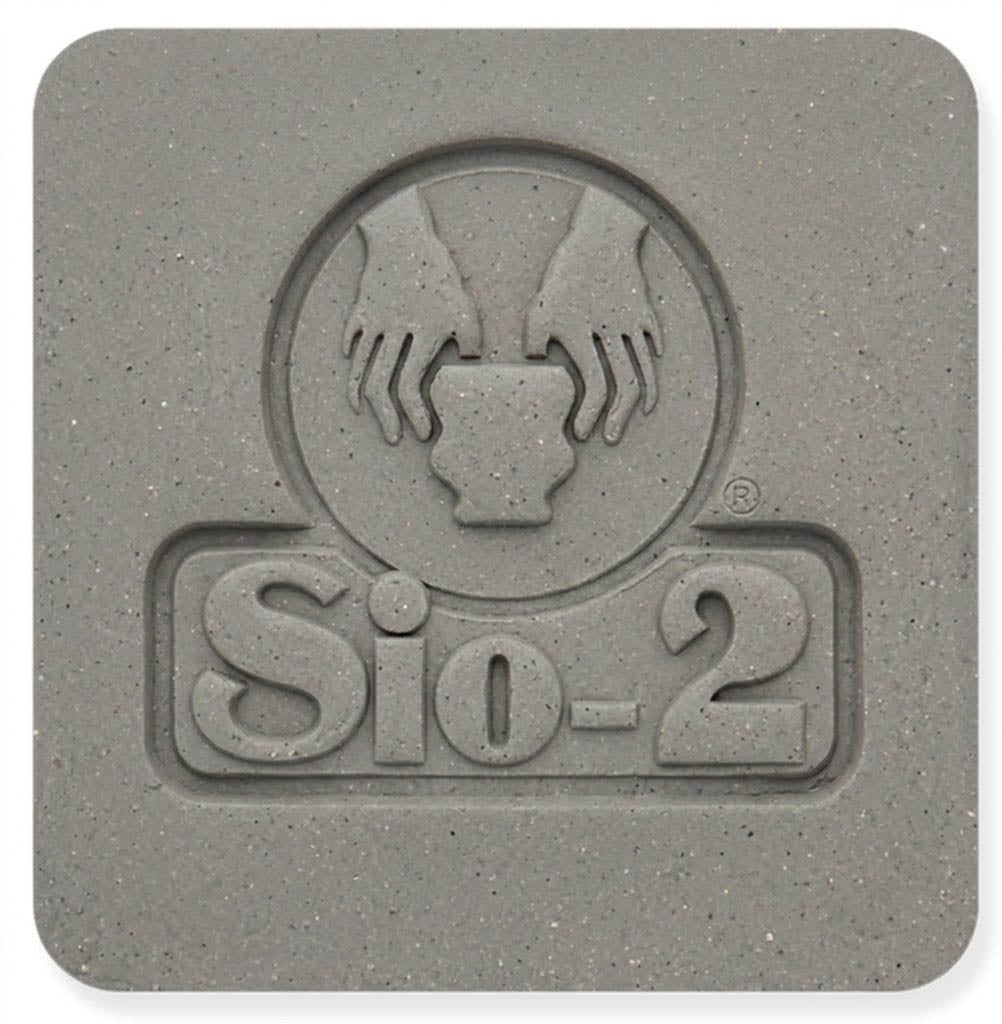
European stoneware with grog so fine your fingers cannot find it. Made for artistic ceramics: it throws and models smoothly, holds fine detail, and behaves unusually well through drying. Fires anywhere from cement to dark gray.
The most expensive bag we carry. Imported, vacuum sealed, and hit by tariffs this year. Buy it because you want that gray, not because it sits at the top of the list.
Shrinks about 12% drying and firing combined
Not sure which bag
Tell us what you are making.
Which clay should I use?
There is no wrong answer here, only bags that make a given job easier or harder.
Pick one above and we will tell you which bag to reach for.
Start with 52 Buff.
It is the cheapest bag on the shelf and the most forgiving thing in the building. Smooth, general purpose, and it shrinks less than anything else here, so what you make is closer to the size you meant. Buy two before you buy anything fancy.
Second choice: B-Mix w/Grog, if you already know you want to build rather than throw.
B-Mix w/Grog.
The fine grog running through it is the whole point. It gives the walls something to stand on, so a wobbly pull is less likely to collapse, and it cracks and warps noticeably less while drying. Clay companies specifically recommend this body for schools and beginners, which tells you everything.
Second choice: 52 Buff, if you would rather spend less per bag while you are throwing a lot away. Both are fine. Neither will fight you.
B-Mix, unless you want speckle.
It fires a clean cream, which is the best background you can give a glaze. Colors come out looking like the test tile rather than a muddier cousin of it. It is smooth to throw and takes a fine surface.
If you want speckle: B-Mix w/Specks throws the same and puts iron flecks under everything. If you want it whiter: Half & Half.
B-Mix w/Grog, without much debate.
Grog is fired clay crushed and blended back in. It lowers the overall shrinkage, opens the body so moisture can leave evenly, and gives joins something to grip. That is exactly the set of problems a big slab piece or anything with handles, spouts and feet runs into.
Also worth knowing: Berlin Gray dries and fires unusually well for a smooth body, so it is a real option for large work if you want the color.
#16 Porcelain.
Grolleg porcelain holds a crisp edge better than any stoneware, and this particular one is built with extra ball clay, which makes it far more plastic and far less temperamental than porcelain’s reputation suggests. Extra silica in the recipe also helps stop glazes crazing over your carving.
Fair warning: it shrinks close to 14%, so plan bigger than you think. Alternative: Berlin Gray, which is made for smooth detailed work and brings its own color.
Speckled Buff.
Granular manganese gives it a genuine desert tan and brown with heavy speckle. The specks can burn up through a glaze during firing, which means an electric kiln can hand you something that looks reduction fired. It is also a genuinely excellent throwing body, not just a pretty one.
Lighter version: B-Mix w/Specks, which is warm white with speckle rather than tan with speckle.
Half & Half for white you can live with. #16 Porcelain for white with no compromise.
Half & Half is equal parts white stoneware and porcelain, so it fires bright and it is the most vitrified body we stock, absorbing around half a percent of water. It throws far more easily than straight porcelain.
#16 Porcelain goes whiter still, but asks for slower drying, better joins and more planning around shrinkage.
Berlin Gray, and only Berlin Gray.
Nothing else we carry fires dark. Depending on the firing it lands anywhere from cement to a deep gray, and because the grog in it is so fine, the surface stays smooth enough for detailed work. It is the most expensive bag we sell, so treat it as a deliberate choice rather than an upgrade.
It is food safe and the manufacturer’s numbers on it are excellent: it fires nearly non-porous and unusually strong.
B-Mix w/Grog. That is the raku bag.
Raku pulls a piece out of the kiln while it is glowing and lets it meet the air. That is a violent thing to do to fired clay, and a smooth dense body usually answers by cracking. Grog changes the arithmetic: it makes the body more refractory, lowers shrinkage, and leaves room inside the clay for all that sudden expansion to go somewhere.
Still stuck? Ask anyone in a bright pink or purple shirt. Between them our instructors have thrown all eight of these and will happily tell you which bag they would hand you.
Side by side
All eight, on one screen.
Your price and the Green Level price, side by side. Tap a row to hold it highlighted while you compare.
| Clay | Fires | Feel | Best at | Shrinks | Your price | Green Level |
|---|---|---|---|---|---|---|
52 Buff |
Soft buff | Smooth | First bags, small thrown work, handbuildingConsThe buff body warms and mutes pale glaze colors, the slightly coarse texture is wrong for fine carving, and it stays the most absorbent body on this page. | 10% | $19.44 | $28.00 |
B-Mix w/Grog |
Off-white | Slightly toothy | Raku, big handbuilt work, learning the wheelConsThe grog is abrasive on your hands over a long wheel session, and its texture reads through thin or glossy glazes. Not the bag for crisp carved detail. | 11% | $23.55 | $32.00 |
B-Mix |
Clean cream | Porcelain-smooth | Mugs, tableware, true glaze colorConsSmooth and unforgiving. Thin rims tear, fast drying cracks it, and an uncompressed bottom will hand you an S-crack. There is no texture to hide a mistake in. | 12% | $24.60 | $36.00 |
B-Mix w/Specks |
Warm white, speckled | Smooth | Speckled tableware under plain glazesConsIt genuinely needs slow drying and real compression on rims and bottoms. It also shrinks the most of the B-Mix family, and specks can bleed and shift color under some glazes. | 12.5% | $30.89 | $36.50 |
Speckled Buff |
Desert tan, heavy speckle | Slightly coarse | Rustic tableware, planters, earthy glazesConsThose specks show through pale glazes whether you wanted them or not, and the tan body pulls bright colors warmer and darker than the test tile suggests. | 12% | $31.45 | $40.00 |
Half & Half |
White | Smooth, slight tooth | Bright white tableware, glaze color, large multi-section workConsThe porcelain half makes it less tolerant of uneven drying, it shows every fingerprint and tool mark, and it is priced like a specialty body. | 12% | $29.76 | $40.00 |
#16 Porcelain |
Dead white | Smooth, plastic | Carving, fine detail, slab workConsThe biggest shrinkage here at close to 14%, so lids drift out of fit and joins pull. It punishes fast drying and weak joins, and tall thin walls will slump. | 13.9% | $35.47 | $44.50 |
Berlin Gray |
Cement to dark gray | Smooth, invisible grog | Modern matte work, smooth detailConsIt wants to sink back down while you throw big pieces. The gray body also fights most glaze colors, and it is the most expensive bag we carry. | 12% | $35.15 | $49.00 |
On a phone, drag the table sideways to see the rest of the columns.
Two things worth knowing before you throw
How much it shrinks, and what it costs.
Every clay on this page loses roughly a tenth to a seventh of its size between wet and fired. That is the single most common surprise for anyone new to clay, and it is entirely predictable.
Shrinkage
Clay shrinks as it dries and shrinks again in the kiln. If you want a lid to fit a jar, or a bowl to fit a shelf, work backwards from the finished size.
Make it this big
4.55 in
This clay shrinks
12%
Difference
0.55 in
Throw it 4.55 inches wide and it should come out of the kiln around 4 inches.
Shrinkage figures come from the clay manufacturers and are averages, not promises. Wall thickness, how hard you compress, and where a piece sits in the kiln all move the number a little. If a lid absolutely has to fit, make the lid and the jar from the same bag on the same day.
What a bag actually works out to
A bag of clay looks like a big number until you divide it by the number of mugs in it.
Clay per piece
$2.52
Pieces per bag
14
Bags for 12
1
One bag of B-Mix at your price gets you about 14 large mugs, at roughly $2.52 of clay each.
These weights are rough averages and everybody throws differently — a heavy first mug can easily use double what a practiced one uses. Change the weight if you know yours. This is clay only; firing is charged separately.
Utah is a desert
This state is quietly trying to dry out your clay.
Anyone who moves here from somewhere humid is surprised by how fast a bag goes stiff. None of the habits below take any effort. All of them save you a bag.
Close the bag immediately
Not at the end of class. The second you have taken what you need. An open bag on a table in Draper is losing water the whole time you are working.
Cut off only what you need
Do not open a whole bag to get two pounds out of it. Every extra surface you expose is another surface drying. Take tonight’s clay and close the rest back up.
Push the air out before you seal it
Air trapped inside a bag is a small dehumidifier sitting against your clay. Squeeze the bag down onto the block, fold the top over tightly, and weigh it down.
Use it while it is good
Clay is not a pantry item here. A bag that sits for months in this climate will not be the bag you bought. Buy what you will get through, then buy the next one.
Store it out of the sun and off hot surfaces
A car, a garage in July, or a sunny windowsill will cook a bag surprisingly quickly. Cool, dark and off the concrete is all it wants.
When it stiffens, slam it awake
A stiff bag is usually not dry, it is tight and unevenly wet. Throw it hard at the table. Drop it on the ground. Cut it in half, slam the halves back together, and repeat. Slam wedging redistributes the water and warms the clay, and it fixes most stiff bags in a couple of minutes.
My clay is too hard. Now what?
Be honest about which of these it is. The answer changes completely.
Pick the one that sounds like your bag.
Slam wedge it and carry on.
Throw it at the wedging table. Drop it on the ground. Cut it, slam the halves together, cut it again. You are not trying to add water, you are trying to move the water that is already in there and warm the whole block up. Two minutes of this rescues most bags.
At home, if you want to be gentler: slice the block into inch-thick slabs, layer a damp towel between them, seal the whole thing back in the bag overnight, then wedge it in the morning.
Take it off the wheel. Right now.
Throwing is touch, not strength. Hard clay turns it into an arm wrestle you will lose, and it is genuinely rough on wrists, hands, shoulders and back. It is also the fastest way to convince yourself you are bad at the wheel when the real problem is the block.
Slam wedge it properly and try again. If it still fights you after that, it is not a wheel bag anymore — read the next option.
Good news: it just changed jobs.
Clay this firm is not ruined, it is simply finished with the wheel. Roll it into slabs and build with it, or press it into molds. Firm clay is actually better at that work than soft clay: it holds a crisp edge, it takes texture and stamps cleanly, it does not slump in a mold, and it will not sag while you assemble a box or a tray.
It is not worth fighting hard clay on the wheel. Nobody has ever won that argument. Put it on the slab roller and make something you could not have thrown anyway.
And if you are ever unsure whether a bag is worth saving, grab an instructor before you spend an hour on it.
Why we pay more for it
Cheap clay does not save you money. It moves the cost somewhere else.
Every bag in this room is a commercially manufactured, de-aired, pugged clay body from a real clay company. It arrives screened, blended to an actual recipe, and consistent from one bag to the next. That sounds like a low bar. It is not. Plenty of studios buy the cheapest thing that survives a firing and let their members find out the hard way.
Here is what you actually feel. Good clay centers without a fight, because the particles are fine, the water is evenly distributed, and there is no grit or hard lump making one side of your wall thicker than the other. It pulls taller before it gives up. Rims stop shredding. Handles and feet stay attached through drying instead of popping off overnight. And when something does crack, you can usually trace it back to something you did, which means you can fix it next time. That last part matters more than people expect, because you cannot learn from a material that behaves differently every week.
It matters again in the kiln. These bodies are formulated to mature at the temperature we fire at, so they vitrify properly instead of staying thirsty and porous. That is the difference between a mug that is genuinely food, dishwasher and microwave safe and a mug that is merely finished. It is also why our glazes behave. Glaze fit is a relationship between the glaze and the clay underneath it, and it only stays predictable when the clay stays the same from bag to bag.
The unflattering part, since we would rather say it than have you wonder: we could switch to cheaper clay tomorrow and make more money on every single bag. We would also spend the rest of the year explaining cracked bottoms and crazed glazes to members who did nothing wrong. Premium clay will not make you a better potter. It just stops the material from being the reason you failed.
Why one bag costs $28 and another costs $49
A more expensive bag is not a better bag.
Price here tracks ingredients and distance, not quality. Every clay on this page is good clay. What separates the cheapest bag from the most expensive one is what is in the recipe and how far it traveled to get to Draper.
White costs money. A buff or tan body can be built largely from plentiful, widely available clays. A white body needs refined kaolins, and the whitest of those are imported and priced accordingly. Our porcelain is built on Grolleg, which comes from overseas. Half & Half is literally half porcelain by weight. That is most of the price gap right there, and none of it is markup.
Additives cost money too. The speckle in Speckled Buff and in B-Mix w/Specks is granular manganese, deliberately blended in. The grog in B-Mix w/Grog is clay that has already been fired once, then crushed, screened to size, and mixed back through. Both are extra steps that somebody has to pay for.
And then there is distance. Berlin Gray comes from Europe, vacuum sealed, and tariffs pushed its price up again this year. It is the most expensive bag we sell and it is not the most useful bag we sell. It is simply the only way to get that color.
So if you are new, start at the bottom of the price list rather than the top. 52 Buff is an honest, smooth, genuinely good general purpose clay and it is the cheapest thing here. Nobody has ever been held back by it.
One hard rule, no exceptions
No outside clay comes into The Clay Hole.
Not a bag from another studio. Not something ordered online because it was cheaper. Not a leftover block a friend gave you. If it was not bought here, it does not come through the door and it never goes near a kiln.
Every clay matures at its own temperature
The eight bags on this page were chosen so they all fire happily together. An unknown bag might be low fire, might be a cone 10 body that never matures, or might be something nobody can identify from looking at it.
Wrong clay at our temperature melts
It slumps, it bloats, or it runs. Melted clay bonds itself to a kiln shelf and to whatever else is on it, and the damage does not stop at the shelf. Elements underneath get ruined too.
It is never only your piece
Kilns are shared. Everything on that shelf and the shelves below it belongs to other members, and there is no way to give somebody back the work they spent six weeks on.
If you bring outside clay in, you are responsible for the damage it does to our kilns.
That is the whole policy, and we would much rather never have to use it. Kilns are the most expensive equipment in this building and the hardest to replace quickly.
To be clear about the obvious question: clay you bought here is yours. Take it home, work on it at your kitchen table, bring it back next week. That is completely fine. The rule is about clay that did not come from us.
And if you are ever unsure what something is, ask before you open the bag. We would far rather have that thirty-second conversation than the other one.
Pick a bag
Still not sure? Ask a colleague.
You work with people who have thrown every clay on this page, and most of them have opinions about all eight. Ask the person at the next wheel which bag they would reach for, and why. You will get a better answer than any page can give you, usually with a story attached, and it is one of the genuinely good parts of working somewhere full of potters. There is no wrong bag to start with.
Every price on this page is your employee price, before sales tax. It is for clay going through your own hands and cannot be used to buy clay for anyone else. All clay is an in-studio purchase; we do not ship. Buy it here, then show your receipt to whoever is on the floor and they will walk back with you for a fresh bag.